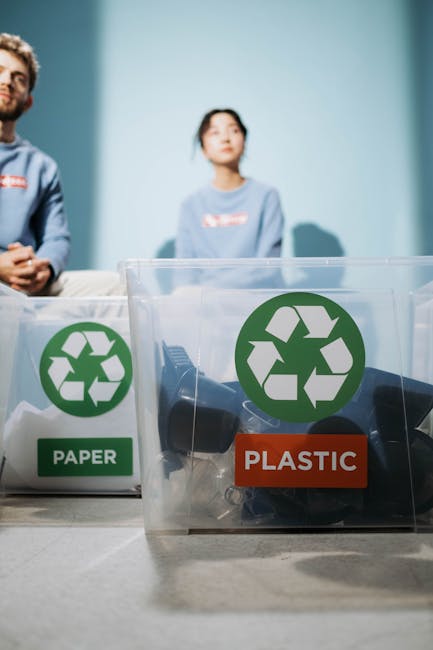
Eco friendly removals Kingston donate reuse recycle furniture: a practical guide to moving well and wasting less
Moving house or clearing out a flat can get messy quickly. One minute you're sorting a sofa, a wardrobe, and three mystery boxes from the back of the cupboard; the next, you're wondering what should be donated, what can be reused, and what really needs recycling. That is exactly where Eco friendly removals Kingston donate reuse recycle furniture comes in. It is a smarter, cleaner way to move-one that keeps usable furniture in circulation and reduces the amount sent to landfill.
If you live in Kingston, or you're moving in or out of the area, this approach can save time, cut stress, and make the whole process feel less wasteful. It also gives you a better sense of control. To be fair, moving is already enough of a headache without having to make last-minute decisions about an old dining table at 7am while the kettle's just boiled.
In this guide, we'll walk through how eco friendly removals work, why they matter, what to do with furniture that still has life in it, and how to avoid the common mistakes that turn a tidy move into an expensive clean-up job.
- Why it matters
- How the process works
- Benefits and practical advantages
- Who this is for
- Step-by-step guidance
- Expert tips
- Common mistakes to avoid
- Tools, resources and recommendations
- Law, compliance and best practice
- Options and comparison
- Real-world example
- Practical checklist
- Conclusion
- Frequently asked questions
Why Eco friendly removals Kingston donate reuse recycle furniture Matters
Furniture removal is not just about lifting heavy items into a van. It is about deciding what happens next. A surprising amount of furniture that leaves a home still has a useful second life, but without a plan it often ends up as mixed waste. That means more pressure on disposal systems, more costs, and more avoidable environmental impact.
Kingston has the usual mix of family homes, flats, student moves, downsizing households, and business clear-outs. In that kind of setting, the question is rarely "Can this move be done?" It is "Can this move be done sensibly?" Eco friendly removals answer that by prioritising donation, reuse, repair, and recycling before disposal.
There's also a practical side. When furniture is sorted early, the move itself becomes easier. Lighter loads, fewer unnecessary items, and less clutter in hallways all make moving day smoother. You notice it especially in older terraces or tight apartment blocks where stair turns are awkward and parking is never quite ideal. A bit less stuff goes a long way.
Key idea: the most eco-friendly removal is usually the one where items are assessed before the van arrives, not after everything has already been stacked by the front door.
How Eco friendly removals Kingston donate reuse recycle furniture Works
The process is straightforward, but the order matters. Think of it as a filter: first you identify what is reusable, then what can be donated, then what can be recycled, and only then do you deal with residual waste.
1. Sort items by condition
Start by separating furniture into broad categories: good condition, repairable, recyclable, and waste. A sturdy bookcase with cosmetic marks may be perfect for reuse. A sofa with broken springs or major contamination may not be worth salvaging. Be honest here. People often overestimate what can be passed on, and truth be told, the smell test matters more than we like to admit.
2. Identify donation opportunities
Furniture that is clean, safe, and structurally sound may be suitable for donation. This is especially useful for items such as dining tables, chairs, sideboards, beds with good frames, and office desks. If you're working to a schedule, donation can be the most satisfying route because it keeps items in use and can free up space quickly.
3. Reuse where possible
Reuse is the most direct form of waste reduction. That could mean keeping furniture within the household, passing it to a friend, using it in a rental property, or refitting it for a different purpose. A chest of drawers might become storage in a garage. A desk might move from bedroom office to workshop bench. Not glamorous, maybe, but very effective.
4. Recycle when furniture cannot be reused
Some furniture can be broken down for material recovery. Wood, metal, some plastics, textiles, and components may be separated depending on the item and the local disposal route. Recycling is not always the first choice, but it is usually better than dumping whole items as general waste.
5. Load and move efficiently
Once the decision-making is done, the move itself becomes far more efficient. Items for donation, reuse, and recycling can be grouped, labelled, and loaded in the right order. That reduces confusion at the kerb, helps avoid accidental disposal, and makes the whole day feel calmer.
If you are looking for a service that can help with mixed loads, a broader moving option such as furniture removals or furniture pick-up can be useful when the job includes bulky items that need careful handling.
Key Benefits and Practical Advantages
There are the obvious environmental benefits, yes, but the practical gains are just as important. People often start with a green intention and end up appreciating the sheer convenience of an organised move. That's not a bad outcome at all.
- Less landfill waste: Furniture that can be reused or recycled avoids unnecessary disposal.
- Lower clutter before moving day: Fewer items means simpler packing and quicker loading.
- Better use of existing goods: A chair, table, or cabinet may still be useful to someone else.
- Potential cost savings: Reducing the amount that needs specialist disposal can help keep the move leaner.
- More organised decision-making: Sorting in advance reduces panic and last-minute guesswork.
- Cleaner property handover: Useful for tenants, landlords, sellers, and businesses closing or refitting space.
There is also a less talked-about benefit: emotional ease. If you've ever stood in an empty room staring at a sofa you've had for years, deciding whether to keep it, pass it on, or let it go, you'll know it is easier when the process feels structured. Nobody needs extra guilt on moving day. Enough is enough.
Who This Is For and When It Makes Sense
This approach suits a wide range of movers, not just people trying to be eco-conscious on purpose. In Kingston, it is especially useful for:
- Home movers who want to travel lighter and avoid shifting things they no longer use.
- Flat movers dealing with narrow staircases, lifts, or limited access.
- Students clearing rooms between terms or moving between shared properties.
- Families downsizing after a long tenancy or a house sale.
- Landlords and letting agents handling end-of-tenancy clearances.
- Businesses replacing office furniture, retail fixtures, or storage units.
It also makes sense when you've got a mixed clearance rather than a single item. For example, a house move where some furniture is going to the new place, some is being donated, and some has clearly reached the end of the road. That mix is common. Very common.
If the move is larger or includes business equipment, services such as house removals, home moves, or commercial moves can provide a more structured removal plan.
Step-by-Step Guidance
Here is a practical way to handle eco-friendly furniture removal without turning the whole thing into a spreadsheet marathon. Keep it simple, but do keep it organised.
- Walk through each room. Make a list of furniture and note its condition. Be realistic, not sentimental.
- Separate items into four groups. Keep, donate, reuse, recycle. If something does not fit, it probably needs closer review.
- Measure bulky pieces. Check doors, stairs, lifts, and hallways. This is especially useful in older Kingston properties where access can be tight.
- Decide what needs disassembly. Wardrobes, beds, and larger desks may move more safely if partially dismantled.
- Prepare donation items properly. Wipe surfaces, remove drawers if needed, and make sure nothing is loose or unsafe.
- Separate recyclable parts. If an item can be broken down, keep hardware, metal, and wooden parts together where possible.
- Arrange the collection order. Put donation and reuse items where they can be accessed first.
- Confirm the destination for each item. Donated, reused, recycled, or disposed of. No vague pile at the end of the hall.
A small but useful tip: label rooms or items with coloured notes. It sounds almost too simple, but it saves time and reduces mistakes. And yes, someone always forgets which chair was meant to stay and which one was going. Happens every time.
Expert Tips for Better Results
These are the kinds of details that make the difference between a smooth eco-friendly move and a slightly chaotic one.
Plan for access before you plan for speed
If your property has awkward parking, steep steps, or narrow internal access, make that part of the plan from the start. A good team will think about load order, carrying routes, and where items should be staged. It sounds basic, but it prevents a lot of stress.
Don't assume every "old" item is waste
Age alone does not determine value. A solid wood cabinet, a sturdy desk, or a clean bed frame may still be usable. On the other hand, a newer item that is damaged, unstable, or unhygienic may not be suitable for donation. Condition matters more than age.
Keep hardware together
If you dismantle furniture, store screws, fittings, and brackets in labelled bags. It sounds tiny, but it makes reuse much easier. Nothing feels quite as irritating as a perfectly good wardrobe missing one crucial little bag of fixings.
Think in terms of lifecycle
A good removal plan looks beyond the move itself. Could the item be repaired? Could it be rehomed? Could another room use it? If not, can parts be separated for recycling? Thinking this way usually cuts waste without much extra effort.
Use the move as a reset
Many people treat moving day as the moment to simplify their homes. That is often the best time to let go of redundant furniture. You're already making decisions, so use that momentum. It's oddly freeing, once you get going.
For a more complete move plan, you may also want to look at removals and removal services where the broader logistics of moving and item handling are covered in one place.
Common Mistakes to Avoid
Most problems are avoidable, which is reassuring. They usually come from rushing, not from bad intentions.
- Leaving decisions until moving day: This creates bottlenecks and makes sorting much harder.
- Putting everything in one pile: Donation, reuse, recycling, and waste all get mixed up.
- Assuming bulky means disposable: Some large items are still usable, and some need special handling.
- Forgetting about access issues: Tight turns, parking rules, and shared hallways can slow everything down.
- Overpacking recycling loads: Mixed materials are often harder to process if not prepared properly.
- Ignoring signs of damage or contamination: Items that are unsafe or unsanitary should not be passed on casually.
The biggest mistake? Treating eco-friendly removal as an afterthought. Once you do that, donation opportunities get missed and recyclable materials can end up in the wrong stream. It's a small shift in planning, but it changes a lot.
Tools, Resources and Recommendations
You do not need fancy kit to manage this well, just a few sensible tools and a clear method. The basics go a long way.
- Marker pens and labels: For marking donation, reuse, recycle, and dispose.
- Strong tape and bags: Useful for screws, bolts, and small fittings.
- Measuring tape: Helpful for access checks and furniture dimensions.
- Protective gloves: Useful when handling broken, dusty, or awkward items.
- Blankets and covers: Help protect reusable furniture during transit.
- Checklist sheet: Keeps everyone aligned on what is going where.
From a service point of view, it helps to choose a provider that can handle both moving and furniture handling in a tidy way. If you need a simpler point-to-point collection, man and van, man with van, or removal van options may suit smaller clearances. For larger loads, a moving truck can be more efficient.
If you need to store items temporarily while deciding what to keep or pass on, storage can bridge the gap neatly. That is often better than making rushed disposal choices just to get a room clear.
Law, Compliance, Standards, or Best Practice
When furniture is being removed, donated, or recycled, the safest approach is to follow accepted UK waste handling best practice and use properly insured, responsible operators. You do not need to become a legal expert, but you should be cautious about how items are classified and handled.
As a general rule, furniture should not be treated as a free-for-all dump-and-go situation. If an item is being removed on behalf of someone else, or if a commercial space is being cleared, there can be responsibilities around safe handling, documentation, and lawful disposal routes. Businesses in particular should think carefully about how items leave the premises and where they end up.
Best practice also includes:
- checking that items are safe to lift and move
- keeping donated furniture clean and in reasonable condition
- separating recyclable components where practical
- using insured removals support for heavy or awkward pieces
- avoiding fly-tipping or informal disposal arrangements
If you want to understand the company side of this a little better, it can help to review pages like insurance and safety, health and safety policy, and recycling and sustainability. Those details matter because furniture removal is physical work, and physical work needs care. No shortcuts, really.
Options, Methods, or Comparison Table
Here is a simple comparison of the most common furniture exit routes. The best choice depends on condition, timing, and how much effort you want to spend coordinating things.
| Option | Best for | Pros | Watch-outs |
|---|---|---|---|
| Donate | Clean, safe, usable furniture | Keeps items in use, supports others, reduces waste | Needs reasonable condition and suitable collection timing |
| Reuse | Items staying within your home or moving to family/friends | Lowest waste, often quickest, no extra disposal step | May still require transport, cleaning, or disassembly |
| Recycle | Items that cannot be reused but can be broken down | Recovers materials and reduces landfill pressure | Not every item is easily recyclable in full form |
| Dispose | Unsafe, damaged, contaminated, or end-of-life items | Final option when no better route exists | Should be the last resort, not the first |
In practice, most households use a mix of these methods. That is normal. Very few moves are perfectly neat, and that is fine. The goal is not perfection; it is making better choices with the items you have.
Case Study or Real-World Example
Imagine a Kingston flat move where a couple is leaving a two-bedroom property near the station. They have a dining set, a sofa, a bed frame, a shelving unit, and a couple of old office chairs. The sofa is worn but usable, the shelving unit is sturdy, the bed frame is intact, and the chairs are frankly at the end of the line.
Instead of waiting until the last evening, they sort the furniture two days before the move. The dining set and shelving unit are marked for reuse, the bed frame is checked for donation suitability, and the chairs are set aside for recycling. The removal team arrives knowing what goes where, which means the loading is quicker and the flat is cleared without the usual shuffle of confusion in the hallway.
What changed most was not the furniture itself. It was the decision to sort early. That one step reduced wasted effort and made the move feel calmer. Small thing, big effect.
If the property had been on a tighter street or involved a more complex load, a service such as flat removals or student removals would have fitted the situation well. For more specialised or bulky pieces, piano removals can also show the same principle: careful handling, the right equipment, and a plan before the first lift is made.
Practical Checklist
Use this checklist before moving day. It keeps the process grounded and avoids those last-minute, slightly panicked decisions.
- List every major furniture item in each room.
- Decide whether each item is keep, donate, reuse, recycle, or dispose.
- Check condition honestly, including stains, damage, and stability.
- Measure doorways, stairs, and lift access.
- Separate reusable items from end-of-life items.
- Label items or rooms clearly.
- Remove loose parts and bag fittings safely.
- Protect items that are staying in use.
- Confirm collection timing and loading order.
- Keep a final sweep list so nothing is left behind accidentally.
It sounds like a lot written down, but in practice it is a very manageable routine. Once you've done it once, you'll probably wonder why you ever tried to wing it before.
Get a free quote today and see how much you can save.
Conclusion
Eco friendly removals Kingston donate reuse recycle furniture is really about making a sensible move feel cleaner, easier, and less wasteful. It gives you a way to deal with furniture properly, rather than rushing everything into one disposal pile and hoping for the best. If you plan ahead, sort honestly, and choose the right route for each item, you'll usually save stress as well as waste.
For many people, that is the real win. Not a perfect move, just a better one. A bit less clutter, a bit more care, and a home transition that feels human rather than hurried.
If you're preparing a move in Kingston, take the time to think about where each piece of furniture should go next. That simple decision can make the whole day lighter, in more ways than one.
Frequently Asked Questions
What does eco friendly removals Kingston donate reuse recycle furniture actually mean?
It means planning a move so that furniture is assessed for donation, reuse, or recycling before disposal is considered. The aim is to keep usable items in circulation and reduce waste.
Can I donate old furniture during a house move?
Yes, if the furniture is clean, safe, and still usable. Donation is usually best for items in reasonable condition that another person could realistically use again.
What furniture can usually be reused?
Solid tables, chairs, shelves, wardrobes, desks, and many bed frames can often be reused if they are stable and undamaged. Condition matters more than age.
What furniture should be recycled instead of donated?
Furniture that is broken, unstable, contaminated, or too damaged for safe reuse is generally better suited to recycling or responsible disposal, depending on what it is made from.
Is it cheaper to choose eco friendly removals?
It can be, especially if you reduce the amount being moved or disposed of. Costs depend on the size of the load, access, timing, and the amount of handling required.
How do I prepare furniture for donation?
Clean it, check that it is safe, remove personal items, and keep fittings together if anything has been dismantled. Donation items should look and function as usable furniture, not a half-finished project.
What if my furniture is too big for the stairs or lift?
Measure first and plan disassembly where possible. In some cases, a professional removals team can help with awkward access, which is often better than forcing a bulky item through a space it will not fit.
Do I need a special service for mixed furniture clearance?
If you have donation items, rubbish, and reusable furniture all in one move, a removal service that can handle mixed loads is usually the most practical option. It keeps the process simpler.
Can businesses use eco friendly removals too?
Absolutely. Offices, shops, and other commercial spaces often have desks, chairs, shelving, and storage units that can be reused or recycled instead of dumped.
What is the biggest mistake people make with furniture removal?
Leaving the sorting until the last minute. Once the van is waiting outside, people often rush decisions and lose the chance to donate or reuse items properly.
How far in advance should I plan?
As early as you can, ideally before moving week begins. Even a short planning window helps you separate items, check access, and decide what should be donated or recycled.
Where does storage fit into an eco friendly move?
Storage can help if you are undecided about certain items or need time to sort them properly. It is useful when you do not want to make rushed disposal choices.
How do I know if a removals company is being responsible?
Look for clear handling practices, safety awareness, and proper service information. Pages such as about us, terms and conditions, and contact us can help you check how the business presents its service and support.