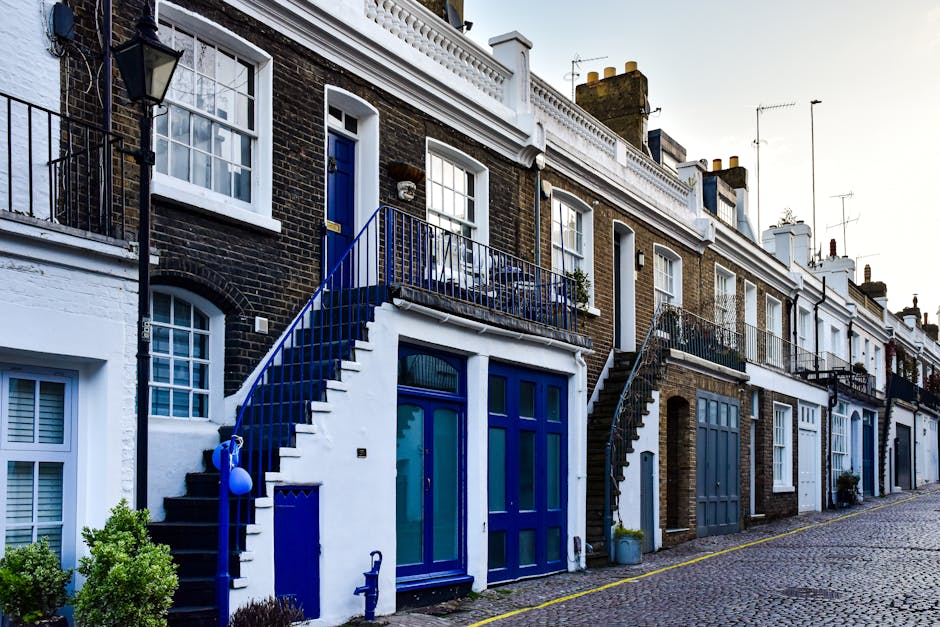
Small flat removals Kingston narrow access fees explained

If you are planning a move from a studio or one-bed in Kingston and the access is tight, the price can feel confusing fast. A narrow staircase, a top-floor walk-up, no lift, or a parking restriction outside the building can all change the shape of the job. That is exactly why small flat removals Kingston narrow access fees explained matters: not to scare you, but to help you understand what you may actually be paying for and how to avoid surprises on moving day. Truth be told, the moving van is often the easy part. It is the doorway, the stairs, and the street outside that usually decide the final bill.
In this guide, we break down what narrow access fees usually mean, how movers assess them, when they are fair, and how to prepare a small flat move so it runs smoothly. You will also see where services such as flat removals, man and van, and pricing and quotes fit into the picture. A bit of planning goes a long way here. A very long way.
Why Small flat removals Kingston narrow access fees explained Matters
Narrow access is one of those things people only notice properly when they are carrying a sofa downstairs and the bannister is already in the way. In Kingston, small flat moves often involve period conversions, maisonettes, compact apartment blocks, shared entrances, basement flats, and streets where parking is not exactly generous. If a mover has to spend extra time getting items in and out safely, that time can affect the cost.
What makes this topic important is not just the fee itself, but the planning behind it. A narrow hallway, a tight stair turn, or a long walk from the van to the front door can turn a quick job into something slower and more hands-on. If the quote did not account for access, you may end up with awkward add-ons on the day. Nobody enjoys that. Nobody.
For small flat removals, the access issue is often more significant than the number of boxes. A one-bedroom flat with a cramped stairwell can take longer than a larger flat with a lift and loading bay. That is why reputable movers ask detailed questions up front. It helps them match the right vehicle, team size, and equipment to the property rather than guessing and hoping for the best.
Practical takeaway: in small flat removals, access is part of the job, not an afterthought. If the route from flat to van is awkward, the quote may reflect that extra handling time, extra labour, or the need for specific equipment.
If you are weighing up options, it can help to browse related services like removal services, removal van, and removal companies so you can compare how different providers describe access and loading conditions.
How Small flat removals Kingston narrow access fees explained Works
Most removal companies price narrow access by looking at how much extra effort the move will need. They are usually not charging for the phrase "narrow access" itself; they are charging for the practical effect of it. That may include slower loading, more lifting, more careful manoeuvring, or the need for an additional mover.
Here is the basic logic. If the movers can get a trolley from flat to van in a straight line, the job is faster. If they have to negotiate narrow stairs, sharp corners, or awkward thresholds, it slows everything down. Slower jobs cost more because the crew is tied up longer, and sometimes because the risk of damage is higher. Fair enough, really.
A narrow access fee may be a fixed surcharge, a small hourly uplift, or simply a quote that is higher because the move has been classified as access-restricted. Different firms package it differently. Some mention it as a line item. Others build it into the estimate. That is why the wording on the quote matters.
The key access questions usually include:
- How many flights of stairs are involved?
- Is there a lift, and is it usable for furniture?
- How wide are the doors, hallways, and stair turns?
- Is there parking close to the building?
- Will the team need a long carry from the van to the entrance?
- Are there any loading restrictions, permit issues, or timed access windows?
If you are moving out of a compact flat in central Kingston, or somewhere with older building layouts nearby, expect these questions. A good mover is not being awkward when they ask. They are trying to quote accurately and keep the day calm.
For some customers, combining a small move with packing and boxes or packing and unpacking services can also reduce delays. When the team arrives and everything is ready, the extra access challenge is easier to manage.
Key Benefits and Practical Advantages
It may sound odd to talk about benefits when discussing fees, but there are real upsides to understanding narrow access charges properly. The biggest one is simple: fewer surprises. Once you know what affects the price, you can make better decisions about timing, packing, parking, and even which items to move first.
Another benefit is choosing the right service level. A small flat move with tight access might be better suited to a man with a van style service if the load is light and the route is challenging. On the other hand, if there are bulky items, fragile furniture, or a lot of trips up and down stairs, a more fully staffed removal team may be the smarter choice. You save time and, often, a bit of stress too.
There is also a safety angle. Narrow staircases and cramped landings are exactly where people can bump walls, strain backs, or chip furniture if they rush. When a quote reflects the access difficulty, it can support better handling and a more realistic schedule. That matters more than people think.
Here is a useful way to think about it:
- Clear access often means a faster, simpler move.
- Moderately tight access may need extra time or a second mover.
- Severely restricted access may require a more careful plan, extra labour, or split loading.
And to be fair, the right quote is usually the one that acknowledges reality early. If a provider mentions access clearly, that is often a sign they know what they are doing. A vague quote is cheap for a reason, sometimes.
Who This Is For and When It Makes Sense
This topic is especially relevant if you are moving from a studio, one-bedroom, or compact two-bedroom flat in Kingston and the building is not especially move-friendly. Think top-floor walk-ups, narrow Victorian staircases, converted houses with tight landings, or modern blocks where the lift is small and the loading bay is a bit of a trek.
It also makes sense if you are moving on a deadline and do not want delays. Students, tenants ending a lease, first-time buyers with limited furniture, and people downsizing often fall into this group. If you are moving a few key items rather than an entire household, the right approach may be very different from a standard house move. In those cases, services such as student removals or home moves can help frame the level of support you actually need.
It makes even more sense if you have one or two awkward items. A sofa that barely clears the stair rail, a wardrobe that must be dismantled, or a mattress that needs careful turning all add time. Small flat removals are not always small in effort. That is the bit people miss.
Ask yourself a few honest questions:
- Will the movers have to carry items a long way from van to door?
- Does the flat involve awkward stairs or no lift access?
- Are there items that need dismantling before they can leave?
- Is parking likely to be a headache on your street?
If the answer to any of those is yes, narrow access fees may be relevant to your move.
Step-by-Step Guidance
A straightforward way to manage the process is to treat access like a mini project. Not glamorous, I know, but it works. Here is the best order to follow.
- Measure the route. Check stair width, doorway width, and any tight turns between the flat and the exit.
- Note the parking situation. Consider where the van can stop, how close it can legally get, and whether there are restrictions.
- List the awkward items. Sofas, beds, wardrobes, desks, glass tables, and white goods deserve special attention.
- Tell the mover early. Do not wait until the night before. The earlier the company knows, the better the quote and plan.
- Ask how the fee is calculated. Is it a fixed surcharge, an hourly addition, or part of the total labour estimate?
- Confirm what is included. Some quotes include loading, carrying, dismantling, or waiting time; others do not.
- Prepare the property. Clear hallways, disassemble what you can, and keep boxes tidy and labelled.
- Reconfirm access details. A quick call or message before move day can prevent confusion.
When dealing with small flats, timing matters. Early morning slots can be quieter around the building and parking may be easier, though that depends on the street. Sometimes ten minutes of better access saves half an hour of awkward carrying. It is one of those unglamorous truths of removals.
If the access is particularly awkward and you need a more flexible arrangement, looking at same day removals or man with a van can be useful, depending on the size of the job and how quickly you need it done.
Expert Tips for Better Results
First, take photos. A few well-lit images of the hallway, stairs, front door, lift, and parking situation can be more useful than a long description. From experience, photos remove a lot of guesswork. A mover can spot a narrow corner or a low ceiling instantly that you might not think to mention.
Second, be precise about furniture sizes. "Big wardrobe" is not very helpful. "Two-door wardrobe, flat pack, already dismantled" is much better. The same goes for beds, sofas, and office chairs. If your furniture is hard to carry, say so. No drama, just facts.
Third, check what your building allows. Some flats have rules about moving hours, lift booking, or floor protection. If you are in a managed block, you may need to book the service lift or notify the building team. Those small admin steps can save a lot of friction later on.
Fourth, pack smart. Heavy boxes should be small. Light but bulky items should be grouped sensibly. A removal team can move a well-packed flat faster than a loosely packed one, even if the access is awkward.
Fifth, ask about insurance and safety expectations. Good movers should be able to explain how they handle item protection, building protection, and careful loading. If you want reassurance on that side, review the company's insurance and safety information and, where helpful, their health and safety policy.
A small aside: if your hallway is so tight that you have to breathe in to pass the coat rack, mention it. Seriously. That sort of thing always matters more than people expect.
Common Mistakes to Avoid
The most common mistake is underestimating access. People focus on the number of rooms, but the actual difficulty of moving is often about layout. A tiny flat on the fourth floor with no lift can be much more demanding than a larger ground-floor home. Let's face it, the stairs do not care how neat your boxes are.
Another mistake is hiding the difficult bits. If you do not mention the narrow stairwell or parking issue, the mover may still turn up and deal with it, but the price may change. Worse, the day can become slower and more stressful for everyone.
Other mistakes include:
- packing boxes too heavy for one person to carry safely
- forgetting to dismantle furniture that will not fit through the route
- assuming the lift can take all items when it cannot
- not checking if parking is available close enough to the entrance
- booking the wrong vehicle size for the volume and access conditions
There is also a trust issue. If a quote looks unusually low and does not ask about access, it may be missing something. Cheap quotes can be useful, but only if they are realistic. A strong service should ask the awkward questions early.
Tools, Resources and Recommendations
You do not need fancy kit to prepare a small flat removal, but a few basics make a difference. A tape measure is still one of the most underrated moving tools. Measure door widths, furniture dimensions, and the narrowest part of the route. It is simple and unexciting. Also very useful.
A phone camera helps you document the access route and awkward items. Labels and marker pens keep boxes organised. A furniture blanket or protective wrap can help protect delicate surfaces, especially where hallways are tight and knocks are more likely.
For service planning, these pages may be helpful if you are comparing the wider move options:
- flat removals for apartment-specific move support
- removals for broader moving support
- removal services for a fuller service overview
- packing and unpacking services if you want hands-off help
- storage if the move dates do not line up neatly
If you are in the early comparison stage, it is also worth reviewing pricing and quotes carefully so you know how access, labour, and time are described. Clear wording is a good sign. Confusing wording usually means more questions later.
Law, Compliance, Standards and Best Practice
For most customers, the main compliance concerns are practical rather than legal. That said, removal work in the UK should still follow sensible safety standards, careful handling practices, and honest quoting. Movers should not put staff, customers, or property at unnecessary risk just to save a few minutes.
Best practice usually includes clear communication about access limitations, safe lifting methods, suitable vehicle choice, and item protection. If a building has restrictions, those should be respected. If an item needs two people rather than one, that should be planned. Nothing dramatic, just proper work done properly.
Customers should also check the company's policies where relevant. The most useful ones for this topic are usually terms and conditions, insurance and safety, and any details about payment and security. Those pages help you understand how the business handles expectations, liability, and payment flow. That sounds dry, but it matters when something unexpected happens.
There is also a broader professional expectation: quote honestly, move carefully, and explain charges before the job starts. If a company cannot explain why a narrow access fee exists, ask again. If the answer still feels fuzzy, trust your instinct.
Options, Methods, or Comparison Table
Not every small flat move with narrow access needs the same setup. The right option depends on the amount of furniture, how awkward the building is, and how much help you want on the day.
| Move option | Best for | Likely access impact | Typical benefit |
|---|---|---|---|
| Man and van | Light loads, a few items, smaller flats | Good for awkward access if the volume is modest | Flexible and often efficient for compact moves |
| Flat removals team | Full flat moves with furniture and boxes | Better when stairs, lifting, or carrying time increases | More support, faster loading, less strain on you |
| Packing support added on | Busy households, fragile items, time pressure | Can reduce delays caused by last-minute packing | Better organisation and less stress before move day |
| Storage plus move | Delayed handovers or staggered move dates | Useful when access and timing need more flexibility | Creates breathing room if everything cannot move at once |
If you are unsure which route fits your situation, a quick discussion with a provider is usually enough to narrow it down. One good question is: "Given my access, would you quote this as a small flat move, or would a lighter van service make more sense?" It is a simple question, but a strong one.
Case Study or Real-World Example
Imagine a one-bedroom flat in Kingston with a narrow staircase, no lift, and on-street parking that sits a short walk from the entrance. The load itself is not huge: a bed frame, mattress, sofa, a few chairs, and around a dozen boxes. On paper, that sounds like a quick move. In practice, the stairwell is tight enough that the sofa has to be carefully angled twice on the way down.
In a case like this, the access affects the quote in three ways. First, it increases the labour time because the team has to move slowly and safely. Second, it may need more than one person to handle the larger items. Third, the long carry from van to door adds extra minutes each trip. None of that is unreasonable. It just needs to be priced correctly.
Now compare that with a second flat move across town where the building has a lift, the van can park close, and the boxes are neatly packed. The item list may be similar, but the access is easier, so the move may be cheaper or simply quicker. Same belongings, different logistics. That is the whole game, really.
The best outcome in the first case is not the lowest quote. It is the quote that understands the access problem, allocates enough time, and avoids a rushed, awkward day. You want the calm one, not the heroic one.
Practical Checklist
Use this checklist before you book. It keeps the conversation specific and helps prevent surprises.
- Measure stair width, doorway width, and tight corners
- Confirm whether there is a usable lift
- Check parking distance from the entrance
- List all bulky or fragile furniture
- Say whether any furniture needs dismantling
- Share photos of the route and the building entrance
- Ask if the access could trigger an extra fee
- Check if the quote includes loading, unloading, and waiting time
- Review insurance, safety, and payment details
- Prepare the flat so hallways and exits stay clear
If everything on that list is handled early, the move usually feels a lot more manageable. Not always perfect. Just more manageable. And that counts for a lot on moving day.
Get a free quote today and see how much you can save.
Conclusion
Narrow access fees can seem like an annoying extra, but in small flat removals they usually reflect the real work involved: more careful carrying, slower movement, extra labour, or difficult parking. Once you understand that, the fee becomes easier to judge. You may even spot where you can reduce it by preparing better, sharing clearer information, or choosing the right service for the job.
For Kingston flat moves, the best approach is simple: be honest about the access, ask for a clear quote, and prepare the route before the team arrives. That way, you spend less time worrying about the bill and more time getting settled into the new place. A fresh start is stressful enough without mystery charges hanging over it.
If you are at the stage of comparing options, start with the service that matches your actual move, not just the one that sounds cheapest. A little clarity now can save a lot of friction later. And that, honestly, is worth it.
Frequently Asked Questions
What does a narrow access fee usually cover?
It usually covers the extra time, effort, or labour needed when movers have to deal with tight stairs, narrow corridors, long carries, or difficult loading conditions. Some companies package it as a separate fee, while others fold it into the overall quote.
Do all small flat removals in Kingston have narrow access fees?
No. If the flat has easy parking, a lift, and a straightforward route to the van, there may be no extra charge. The fee is normally only relevant when access slows the job down or increases the handling required.
How can I tell if my flat is classed as narrow access?
If a sofa, bed, or wardrobe has to be carefully angled through tight corners, if there are several flights of stairs, or if the van cannot park nearby, the move may be treated as narrow access. Sending photos is usually the quickest way to find out.
Is a narrow access fee always fixed?
Not always. Some movers use a fixed surcharge, some use a longer time estimate, and some price it as part of the labour cost. That is why it is worth asking exactly how the quote has been built.
Can I reduce narrow access fees by preparing better?
Yes, often. Clearing hallways, dismantling furniture, packing boxes neatly, and giving accurate access details can all help. Better prep can shorten the job, which may reduce the overall cost.
What if my building has no lift and I live on a top floor?
That usually increases the amount of labour needed, especially if there are heavy items. It does not mean the move is a problem, just that the quote should reflect the extra carrying time and physical effort.
Should I mention parking issues when asking for a quote?
Definitely. Parking is a big part of access. If the van has to park far away, the carry time increases and that can affect the price. It is much better to mention this upfront than on moving day.
Is a man and van service suitable for narrow access moves?
Often, yes, especially if you only have a small amount of furniture or boxes. For heavier loads or very awkward access, though, a fuller flat removals service may be more appropriate. The right choice depends on both volume and access.
How far in advance should I tell the mover about access problems?
As early as possible. Ideally when you first ask for a quote. That gives the company time to ask the right questions, estimate labour properly, and avoid awkward surprises.
What should I ask before booking a small flat move?
Ask how access affects the quote, whether the price includes loading and unloading, whether any furniture needs dismantling, and whether there are insurance or building protection considerations. Clear questions usually lead to clearer answers.
Are narrow access fees a bad sign?
Not at all. In many cases they are simply a fair reflection of the job. What matters is whether the fee is explained clearly and applied consistently. A transparent fee is much better than a vague one.
Where can I check wider moving support options?
If you are still deciding what level of help you need, useful starting points include flat removals, removal services, and pricing and quotes. Those pages can help you compare support levels before you book.