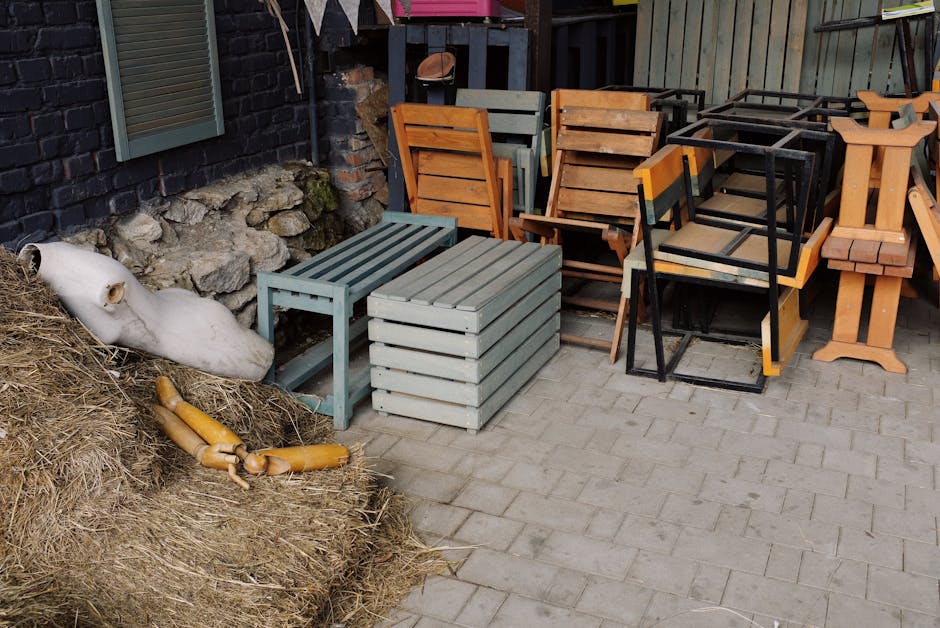
Furniture disposal after removals Kingston council fines
Posted on 26/06/2026
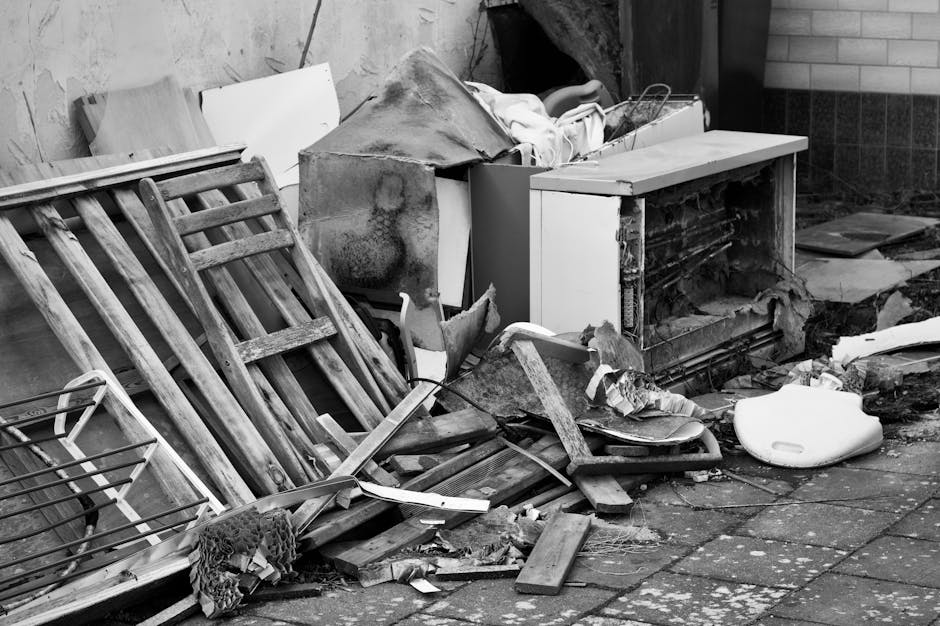
Furniture disposal after removals Kingston council fines: how to stay compliant, avoid mistakes, and deal with bulky waste properly
If you have just finished a move in Kingston and are staring at an old sofa, a broken wardrobe, or a pile of flat-pack parts, you are not alone. Furniture disposal after removals Kingston council fines is one of those topics people only think about when the van has gone, the keys are handed back, and the hallway suddenly looks like a storage problem. The tricky bit? A rushed disposal decision can lead to avoidable costs, complaints, or even enforcement action if items are left where they should not be.
This guide explains what to do, what to avoid, and how to handle post-removal furniture disposal in a sensible way. You will also find practical steps, comparison points, a checklist, and a few realistic examples from the kind of situations people run into after moving day. Let's make the whole thing simpler, because honestly, it can get messy fast.
Why Furniture disposal after removals Kingston council fines Matters
Furniture disposal is not just the last box to tick after a move. It affects cleanliness, safety, neighbour relations, and whether your property handover goes smoothly. In Kingston, as in many London boroughs, leaving bulky items outside a property, in communal areas, or next to a bin store is exactly the sort of thing that can trigger complaints. If the council gets involved, the issue can become a lot more stressful than it needed to be.
The real risk is not only a fine. It is the chain reaction: an item is left in the wrong place, someone reports it, a housing manager or landlord follows up, and suddenly you are dealing with messages, deadlines, and maybe additional collection charges. Not fun. A bit of planning upfront saves all that.
There is also a practical side. After removals, people are often tired, short on time, and focused on unpacking. That is exactly when bad decisions happen. A broken chest of drawers feels harmless sitting by the wall for one night. Then it becomes two nights. Then the rain comes in. Then the stairwell smells a bit damp and everyone is irritated. Small issue, big annoyance.
Key takeaway: The safest approach is to decide on furniture disposal before moving day, not after it. Once bulky items are out of the home, the options narrow quickly, and the chance of an avoidable council complaint goes up.
How Furniture disposal after removals Kingston council fines Works
At a simple level, furniture disposal after a move usually falls into one of four routes: reuse, resale, donation, or responsible disposal. The route you choose depends on the item's condition, size, and whether it can be taken away without creating a nuisance on the street or in shared spaces.
Here is the part people sometimes miss: council enforcement is usually about the way items are left, not just the fact that they are unwanted. A sofa placed on a pavement without arrangements, a mattress dumped beside a communal entrance, or a dismantled wardrobe left in a hallway can all create problems. If the item is considered fly-tipping or an obstruction, it may lead to penalties or requests for immediate removal.
For many households, the most sensible route is to plan furniture removal at the same time as the move. If you are already using furniture removals in Kingston upon Thames, it often makes sense to separate what is coming with you from what is being responsibly cleared. That keeps the process tidy and avoids the "where do we put this now?" moment that happens at 4:30 in the afternoon when everyone is tired.
For flats and shared buildings, the rules are usually stricter. If you are in a block, check whether communal waste areas have limits on large items. In some places, leaving furniture in a corridor for even a short time is a breach of building rules. That is why a careful approach matters so much in Kingston's flats and converted buildings. If you are dealing with tighter access or stairwells, these flat-removal tips for narrow staircases and parking are worth a look too.
Key Benefits and Practical Advantages
Handling furniture disposal properly after removals has more upside than people expect. It is not just about avoiding trouble. It makes the rest of the move feel cleaner and more controlled.
- Less risk of fines or complaints: Items are removed in a way that does not create a public nuisance.
- Clearer handover: You leave the property tidy, which matters if you are a tenant, seller, or managing agent.
- Less physical strain: Heavy lifting after a move is where injuries happen. Best not to improvise.
- Better recycling outcomes: Usable furniture can often be reused or broken down properly.
- Less clutter in your new home: You begin the next chapter without dragging old furniture into it.
There is also a mental benefit. A cleared-out old place, or a properly sorted new one, feels finished. The echo in the empty room, the last scrape of a chair leg, the van door shutting. That finality matters more than people admit.
And from a practical point of view, planning disposal alongside your move can reduce hidden costs later. If you are trying to keep the whole relocation budget under control, it is worth reading about avoiding hidden fees in Kingston removals before things get booked in too casually.
Who This Is For and When It Makes Sense
This topic matters to a lot of different people, not just homeowners with a spare sofa. If any of the following sounds familiar, you probably need a plan for furniture disposal now rather than later.
- Tenants leaving a rental property: You may need to leave the place clear to avoid deductions or disputes.
- Homeowners moving to a smaller property: Downsizing usually means some furniture will not fit.
- Landlords between lets: Left-behind furniture needs prompt, documented handling.
- Families separating household contents: One move can create two disposal decisions very quickly.
- Students and flat-sharers: Shared furniture often ends up being abandoned unless someone owns the plan.
- Business owners clearing offices: Desks, chairs, and storage units need an orderly exit.
It makes sense whenever the cost of keeping, moving, or storing an item is higher than the value or usefulness of the item itself. That sounds obvious, but in real life it is easy to keep a damaged bookcase because "it might be useful later." Later rarely arrives.
If you are unsure whether to store, move, or dispose of items, a temporary storage option can buy you breathing room. Sometimes the best decision is not a final decision. If that is where you are, storage in Kingston upon Thames can help bridge the gap while you decide what stays and what goes.
Step-by-Step Guidance
Here is a straightforward way to handle furniture disposal after a move without making it harder than it needs to be.
- Sort every item into four groups. Keep, sell, donate, dispose. Do this before moving day if you can.
- Check condition honestly. If a sofa is stained, sagging, or missing a leg, do not let "someone might want it" become wishful thinking.
- Measure what is left. A wardrobe might be too large for your new home but still reusable elsewhere.
- Choose the right route. Good items can be sold or donated. Broken or contaminated items usually need disposal.
- Book the collection or arrange transport. Do not leave this to the final hour.
- Keep bulky items out of communal spaces. Hallways, pavements, and shared entrances are where trouble starts.
- Take photos. This gives you proof of condition and helps if there is a landlord or agent question later.
- Confirm the final clear-out. Before you leave, do one slow walk through the property and check every room, cupboard, loft corner, and under-stairs spot.
A small tip from experience: write the disposal list on paper, not just in your head. On moving day, the brain gets crowded. There is always one chair, one mirror, one awkward side table that people forget until the door is already closed.
If your move is time-sensitive, you may also want to coordinate the furniture disposal with the actual moving schedule. The article on same-day removals in Kingston gives helpful context for fast turnaround moves where timing is tight and there is very little margin for error.
Expert Tips for Better Results
A few practical habits make a big difference here. Truth be told, this is where most people either save money or create a headache.
- Start with the heaviest items. Sofas, wardrobes, mattresses, and bed frames take the most time and coordination.
- Separate reusable parts. Metal legs, drawers, shelves, and fittings can sometimes be reused even if the item itself is not.
- Use photos to assess value. If you are considering resale, quick photos from natural daylight usually help more than you expect.
- Keep access clear. A pile of furniture can make removals awkward very quickly, especially in narrow hallways.
- Think about parking early. Bulky-item clearance is much easier when vehicles can stop close to the property.
Another good habit is to ask yourself one question: would I be comfortable explaining where this item came from and where it went? If the answer is no, slow down and choose a cleaner route.
For larger homes or awkward antiques, it may be worth using specialists rather than trying to do everything in one go. In some cases, the logistics are just better handled by an experienced team. If you have valuable or bulky items mixed into the clear-out, this guide to large antiques removals is a useful reminder that not everything should be treated like a standard sofa.
Common Mistakes to Avoid
The same errors come up again and again. Some are minor, some are annoyingly expensive, and a few are just plain avoidable.
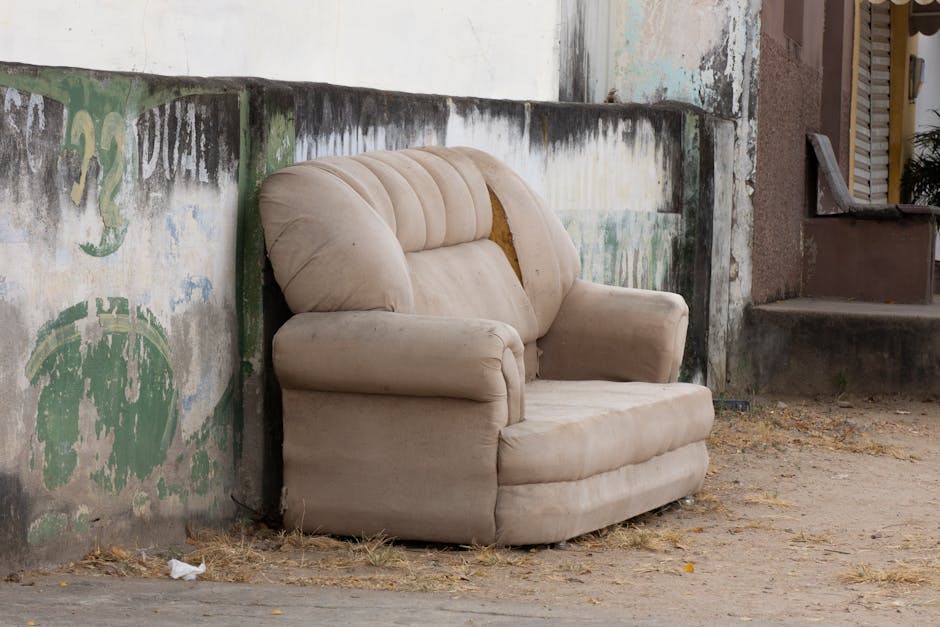
- Leaving furniture outside "just for a bit". That is how complaints start.
- Assuming the council will collect anything left out. That is not a safe assumption.
- Mixing refuse with reusable furniture. It makes reuse and recycling harder.
- Ignoring building rules. Flats and managed blocks often have their own disposal requirements.
- Forgetting about parking restrictions. A van that cannot stop nearby adds time and lifting.
- Not documenting what was disposed of. This can be a problem when tenancy or landlord questions arise.
One of the biggest mistakes, honestly, is treating disposal as an afterthought. By the time you are standing in a nearly empty room with a broken headboard and nowhere to put it, you are no longer making a tidy decision. You are just reacting. And that usually costs more.
Tools, Resources and Recommendations
You do not need fancy equipment to manage furniture disposal well, but a few basic tools help a lot.
- Measuring tape: Essential for deciding whether items fit in the new home or storage.
- Labels or sticky notes: A simple way to mark keep, donate, sell, and dispose piles.
- Heavy-duty gloves: Useful for dismantling sharp or damaged items.
- Blankets and straps: Helpful if items are being moved rather than disposed of.
- Camera phone: Use it to record item condition and final clear-room evidence.
For logistics, a local removal team can make the process smoother, especially if furniture disposal is happening at the same time as the move. If you are comparing support options, removal services in Kingston can be a sensible place to start, particularly when you want one plan rather than several separate jobs.
It can also help to think about packing and dismantling as part of the same process. The better you prepare items, the easier the final disposal or collection becomes. Even a few labelled bags of screws and fittings can save a lot of head-scratching later.
Law, Compliance, Standards, or Best Practice
Furniture disposal is one of those areas where common sense and local rules need to line up. The exact council process can change, so it is always sensible to check current Kingston Council guidance before arranging anything that involves public land, communal areas, or bulky waste collection. I am being careful here, because the details matter and you do not want to rely on a vague memory from a neighbour.
As a general best practice in the UK, you should avoid leaving items in places where they can obstruct access, create a safety hazard, or be interpreted as fly-tipping. That includes pavements, shared halls, fire escapes, and bin stores unless you are explicitly allowed to use them that way. If a building has management rules, those rules matter too.
If you are disposing of items after a move from rented accommodation, the handover condition is important. Leaving debris or unwanted furniture behind can become a deposit issue, especially if it looks like the property was not cleared properly. In plain English: tidy beats sorry.
Businesses should be even more careful. Office clearances should follow internal policy, waste handling expectations, and any duty of care around confidential or sensitive materials. If your clearance includes desks, chairs, shelving, or archive furniture, an orderly process is better than a quick drag-and-drop approach. If you need broader business moving context, office removals in Kingston upon Thames may be relevant to the overall planning.
Another practical note: the local environment matters. Kingston has a mix of flats, terraces, managed developments, and busier streets, so what is fine in one property may be a problem in another. That is why one-size-fits-all advice never works particularly well here.
Options, Methods, or Comparison Table
Different disposal methods suit different items. The best choice depends on condition, urgency, and how much effort you want to spend. Here is a simple comparison.
| Method | Best for | Pros | Watch out for |
|---|---|---|---|
| Reuse in your new home | Items that still fit and still work | No extra disposal cost, immediate use | Can clutter a smaller space if you are not strict |
| Sell privately | Good-condition furniture with some market value | May recover some money | Time-consuming, collection coordination can be messy |
| Donation | Usable furniture that others can benefit from | Helpful, responsible, often quicker than selling | Not every charity or reuse route accepts every item |
| Bulky waste disposal | Damaged, unsafe, or unsaleable furniture | Clear final solution | Must be arranged properly to avoid complaints or penalties |
In practice, people often use a mix. A dining chair set might be donated, the old sofa sold, and the broken bedside tables disposed of. That is normal. It does not have to be all one route or nothing.
Case Study or Real-World Example
A fairly typical Kingston scenario goes like this: a couple moves from a two-bedroom flat to a smaller home and realises, once the rooms are half empty, that their old wardrobe will not fit through the stairwell at the new place. There is also a worn sofa that is technically usable but not worth keeping, plus two bedside cabinets with damaged drawers.
Instead of waiting until the final weekend, they split the job into three parts. The wardrobe is dismantled and checked for reuse. The sofa is photographed and offered for collection if anyone wants it. The bedside cabinets go into disposal because the repair would cost more than they are worth. They also keep all items out of the communal hallway, which avoids neighbour frustration and keeps the building manager out of the picture. Nothing dramatic. Just organised.
What made that work? Timing. They made the decision before the move, not after. They also avoided the classic "leave it by the bin and see what happens" approach, which, to be fair, is the kind of shortcut that usually comes back around.
That is the simple lesson here: if you handle the clear-out early, the move feels cleaner, the handover is easier, and the chances of trouble drop sharply.
Practical Checklist
Use this before and after your move.
- Decide which furniture is staying, selling, donating, or being disposed of.
- Measure large items against doorways, staircases, and rooms.
- Take photos of anything you may want to sell or document.
- Check building rules for flats, managed blocks, or shared spaces.
- Plan how heavy items will leave the property without blocking access.
- Keep furniture off pavements, fire escapes, and common corridors unless permitted.
- Arrange disposal or collection in advance of move-out day.
- Separate screws, brackets, and dismantled parts into labelled bags.
- Do one final walk-through before handing back keys.
- Keep proof of disposal or collection where possible.
If you are moving with children, pets, or a packed work schedule, keep the plan even simpler. One list. One decision per item. No cluttered "maybe later" pile. That pile is sneaky.
Conclusion
Furniture disposal after removals Kingston council fines is really about doing the boring bit properly so the stressful bit never happens. When you plan ahead, choose the right route for each item, and keep bulky furniture out of the wrong places, you protect yourself from unnecessary hassle and keep the move under control.
The best moves are rarely the ones that look dramatic. They are the ones where the end of the day feels calm, the property is clear, and no one is waiting on a complaint email. Small decisions, made early, usually save the biggest headaches. That is the whole game, really.
Get a free quote today and see how much you can save.