Kingston business relocations commercial removals for shops
Posted on 07/07/2026
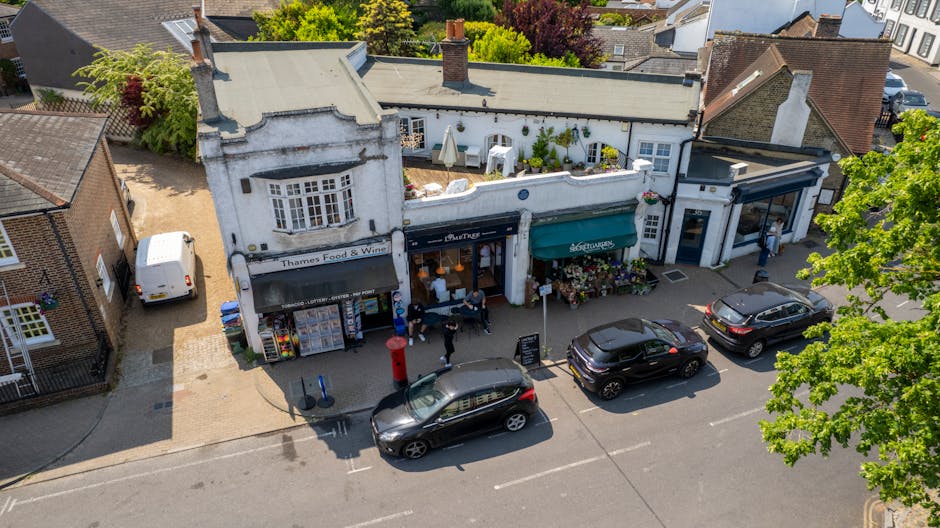
Kingston business relocations commercial removals for shops: a practical guide for smoother moves
Moving a shop in Kingston is rarely just a matter of packing boxes and loading a van. There are tills to disconnect, stock to protect, opening hours to work around, and usually at least one moment where someone says, "We've definitely forgotten something." That's normal. Kingston business relocations commercial removals for shops need a calmer, more organised approach than a standard house move, because the real cost of a mistake is not only broken items but lost trading time.
This guide breaks the process down in plain English: what the move involves, how to plan it, where shop relocations commonly go wrong, and what sensible best practice looks like in a busy town centre setting. If you are relocating a retail unit, seasonal pop-up, high-street shop, or small commercial premises, this should help you think clearly and move with far less stress.
Why Kingston business relocations commercial removals for shops Matters
Kingston is lively, compact, and commercially busy in the best possible way. That also means a shop move has less room for error. You may be dealing with pedestrian traffic, tight loading points, restricted access, or a building with awkward stairs and narrow internal corridors. Even a modest retail move can feel bigger than the floorplan suggests.
For a shop owner, relocation affects more than furniture. It can affect customer trust, staff routines, stock availability, supplier deliveries, and your online reputation if the move causes delays. If the handover is rushed, you may spend the first week in the new unit hunting for cables, reassembling shelving at 7am, and wondering where the card machine lead has gone. Not ideal.
That is why commercial removals for shops are best treated as a business continuity project. The goal is not simply to "move stuff." The goal is to move operations cleanly, preserve saleable stock, protect fixtures and fittings, and reopen fast. If you are thinking through the wider Kingston moving landscape, it can also help to understand how local removal companies in Kingston approach different moving jobs, because shop work often sits somewhere between domestic and office relocation.
Expert summary: the best shop relocations are the ones customers barely notice. Good planning hides the chaos, and that is the whole point.
How Kingston business relocations commercial removals for shops Works
A well-run shop relocation usually follows a simple pattern: assess, plan, pack, move, reinstall, and check. The details matter, though, and in retail the details are everything.
First comes a site review. That might include access measurements, parking considerations, timing restrictions, and an inventory of what is actually moving. In some shops, the stock is straightforward. In others, you have fragile displays, branded signage, mirrors, tills, mannequins, back-office furniture, and a random heavy item nobody mentioned until the day before. Funny how that happens.
Next comes sequencing. This means deciding what should be dismantled first, what can stay live until the final hour, and which items must travel together. For example, a till, receipt printer, and card reader should be treated as one set, not three separate objects. Likewise, display shelving often needs to be labelled by wall or zone so that the rebuild is quicker.
Then comes moving day itself. For shop relocations, timing is usually chosen to limit customer disruption. Early morning, late evening, or a closed day is often easier than trying to work around trading hours. Some retailers also use temporary storage during the transition, especially if the new unit is not ready in one go. If that sounds like your situation, short-term storage in Kingston can be part of a cleaner handover.
Finally, the team should reassemble and place essential items in a sensible order. That means prioritising operational items first: tills, security equipment, stock control systems, entrance displays, and any customer-facing fixtures. Decorative touches can wait until the essentials are working. Truth be told, there is no prize for having the prettiest empty shop at 9am if the till will not boot up.
Key Benefits and Practical Advantages
There are obvious benefits to using an organised commercial removal process, but the less obvious ones are often the most valuable.
- Less downtime: a structured move helps you reopen sooner, which matters when every day without trading feels expensive.
- Better stock protection: careful packing reduces damage to inventory, fixtures, and branded display materials.
- Cleaner accountability: labelled crates, asset lists, and documented handover make it easier to see what arrived and what did not.
- Reduced staff stress: your team can focus on customers and the new location instead of improvising logistics on the fly.
- Safer handling: heavy items, awkward shelving, and fragile stock are moved with proper technique rather than guesswork.
There is also a customer experience benefit. If your shop closes on Friday and reopens in a well-organised way on Monday, people notice the professionalism. If the move drags on and you are still surrounded by bubble wrap and loose screws at lunchtime, they notice that too. Customers are observant like that.
For shop owners managing mixed contents, it can also be useful to compare the move with other specialist services such as furniture removals in Kingston, because retail shelving, counters, and storage units often need the same care as high-value household furniture.
Who This Is For and When It Makes Sense
Not every move needs a large, formal relocation plan. But many shop moves do. This approach makes sense if you are:
- moving from one retail unit to another within Kingston
- opening a second branch and consolidating stock or equipment
- relocating from a temporary pop-up into a permanent premises
- fitting out a new shop after lease changes or refurbishment
- closing one site and transferring usable stock elsewhere
- running a business that relies on displays, shelving, POS equipment, or specialist fixtures
It is especially useful if your shop has expensive stock, fragile items, or a narrow time window. A small boutique with limited storage, for instance, may need a tightly sequenced move so stock does not disappear into unlabelled bags. A convenience store might need a faster cutover because refrigeration, shelving, and point-of-sale systems all matter at once. Different shop, different pressure.
Kingston also has a mix of retail settings: high street units, parade shops, malls, mixed-use buildings, and places with limited loading access. That local variety means a one-size-fits-all approach usually fails. In our experience, the best results come from matching the moving plan to the building, not the other way round.
Step-by-Step Guidance
If you want a move that feels controlled rather than chaotic, break it into clear stages.
- Map the move. List everything that is travelling: stock, fixtures, marketing materials, back-office items, waste, packaging, and anything needing specialist care.
- Measure access. Check door widths, stair turns, lift sizes, parking spaces, and any awkward corners. One missed measurement can waste an hour, sometimes more.
- Assign priorities. Decide what must be available first at the new site. Usually that means tills, core stock, signage, and security items.
- Label everything properly. Use a system that staff can understand immediately: by area, shelf, department, or function. Keep it simple enough to survive a hectic day.
- Protect delicate items. Glass, mirrors, electronics, and presentation stock need extra wrapping, padding, and separation.
- Plan the handover sequence. Decide which items come off the old site first and which are loaded last so the truck is not blocked by the wrong box at the wrong moment.
- Coordinate the new layout. Sketch where essential fixtures will go before the team arrives. It speeds up setup and avoids that strange "where do we put this?" pause.
- Test operations early. At the new premises, check power, tills, internet, payment systems, and security equipment before full trading resumes.
- Audit after the move. Count stock, check for damage, and confirm that every key asset has arrived. Do this while the details are still fresh.
If the shop move needs to happen quickly because of lease timing or unexpected building issues, you may need a smaller, more flexible setup. In that case, a man with a van in Kingston can sometimes suit lighter, more urgent retail transfers, especially when the load is modest and the access is straightforward.
Expert Tips for Better Results
The following practical habits make a noticeable difference. None of them are glamorous, but they work.
- Pack by trading logic, not by room. A shop is not a home. Group items by how the business uses them.
- Keep one "open first" crate. Put in scissors, tape, labels, chargers, keys, basic tools, and a few cleaning items. You will thank yourself later.
- Photograph the original layout. Quick phone pictures of shelving, cabling, and display positions can save time at the other end.
- Separate cash-handling and IT gear. Tills, routers, card machines, and security kit deserve extra attention.
- Protect branding materials. Signage, lit displays, and bespoke fittings often cost more to replace than people expect.
- Plan for the first trading morning. Have someone responsible for final checks while others unpack. A shop opening without a clear lead can become messy very quickly.
A small but useful tip: if your new unit is not fully ready yet, do not force everything into it too early. Store only what you need, and stage the rest. A slightly delayed, well-organised move beats a rushed one every time. It really does.
For busy moves, it can help to study common removal pitfalls in the area, including Kingston parking permit rules for removals and how to avoid hidden fees in Kingston removals. Those topics matter because parking mistakes and budget surprises can derail even a well-planned retail move.

Common Mistakes to Avoid
Retail moves are full of avoidable errors. The trouble is, they often feel small until they snowball.
- Leaving packing too late. This is the classic one. "We'll do it after closing" turns into a very long evening.
- Not checking access properly. A van may be booked, but if the loading point is blocked or too tight, the whole plan slows down.
- Forgetting stock control. If you cannot account for what moved, losses become difficult to trace.
- Mixing valuables with general stock. Keys, petty cash, devices, and documents should travel separately and securely.
- Ignoring waste removal. Old shelving, packaging, fixtures, and broken fittings need a proper disposal plan.
- Underestimating setup time. Reopening is not instant. There is always more reassembly than people expect.
There is also the emotional mistake: assuming the move is a side task. It is not. A shop relocation touches trading, operations, staff morale, and customer confidence all at once. If you treat it casually, it tends to become expensive in a slightly sneaky way. That old "we'll sort it on the day" attitude? Dangerous little phrase.
Waste management deserves a note too. If you dump unwanted fixtures or packaging without checking the right process, you can create unnecessary costs and council issues. For practical advice, see furniture disposal after removals and Kingston council fines and the company's page on recycling and sustainability.
Tools, Resources and Recommendations
You do not need complicated software to manage a good shop move, but a few simple tools make life much easier.
- Inventory spreadsheet: track stock, displays, fixtures, and packed crates.
- Colour labels: use coloured tape or stickers by area, department, or urgency.
- Floorplan sketch: even a rough drawing helps team members place items correctly.
- Basic packing kit: bubble wrap, boxes, stretch wrap, tape, marker pens, and furniture blankets.
- Phone photos: quick before-and-after images help with setup and dispute resolution if needed.
- Asset checklist: a printed list is still useful, especially on a busy moving day when screens get ignored.
When you are choosing support, think about fit rather than just size. A small retail transfer may only need a nimble vehicle and a careful team. A larger shop relocation may need a broader commercial removals plan with dismantling, loading, storage, and reinstall support. If you want a broader sense of available support options, the services overview page is a sensible place to start, and the packing and boxes page is useful if you need stronger packing arrangements.
Sometimes a move spills into a same-day or urgent situation. It happens. Rent deadlines, landlord changes, and fitting delays do not always wait politely. In those cases, it helps to understand same-day removals in Kingston before making decisions under pressure.
Law, Compliance, Standards, or Best Practice
Shop relocations are not the place to be casual about compliance. You do not need to become a legal expert, but you do need a sensible approach to duties, safety, access, and documentation.
In practical terms, that means making sure the move follows normal UK business expectations around health and safety, safe lifting, secure transport, and responsible disposal. If staff are helping pack, lift, or supervise, they should not be put in unsafe positions or asked to handle items beyond what is reasonable. A good moving plan protects people as well as stock.
It is also wise to check insurance cover, especially if there are high-value goods, specialist fittings, or equipment with data on it. Ask clear questions about what is covered in transit, what is excluded, and what condition the goods must be in before loading. Do not assume. Assumptions and commercial moves are not friends.
Parking and access are another practical compliance issue. In Kingston, a move that blocks a street, misuses bays, or ignores local parking requirements can quickly become a headache. That is why careful timing and preparation matter. The same goes for disposal: if old fixtures or packaging are left in the wrong place, the move can create a second problem no one wanted.
You can also review a provider's general approach to responsibility and service standards by looking at their health and safety policy, insurance and safety information, and terms and conditions. If privacy or payment matters are relevant to your booking process, those pages are useful too. Not exciting reading, admittedly, but important.
Options, Methods, or Comparison Table
Different shop moves call for different methods. Here is a simple comparison to help you think through the options.
| Method | Best for | Strengths | Limitations |
|---|---|---|---|
| Full commercial removal service | Larger shops, complex stock, multiple fixtures | Better planning, more hands, smoother day-of coordination | Usually needs more lead time and planning |
| Small vehicle move | Light retail loads, urgent transfers, short local moves | Flexible, quick, often useful for smaller teams | Limited capacity for bulky shelving or large stock volumes |
| Staged move with storage | Refits, phased openings, uncertain handover dates | Reduces pressure, protects stock, fits awkward timelines | Extra coordination and possible storage costs |
| Evening or out-of-hours move | Busy high streets, retail units that must keep trading until late | Less customer disruption, more access flexibility | Can be harder for staff and neighbours; delays feel longer at night |
Which one is right? That depends on stock type, building access, reopening pressure, and the amount of setup required. If your move is more complex than it first appears, a specialist office-style approach may be helpful even for a retail unit. Kingston businesses often blur these categories, which is why office removals in Kingston can be a useful reference point for back-office relocation and equipment handling.
Case Study or Real-World Example
Imagine a small shop on a Kingston high street preparing to move to a slightly larger unit nearby. On paper, it looks simple: a few display stands, boxed stock, some shelving, a till, and a back-office desk. In reality, there are also hanging rails, mirrors, packaging supplies, signage, a branded light box, and two storage cupboards packed with seasonal items nobody has opened in months.
The owner starts with a rough inventory and labels everything by destination. "Front display," "till area," "stock room," and "window kit" are separated before moving day. The old shop closes on a Thursday evening. The move happens early Friday, with the most delicate items loaded first. The new shop receives the shelving and core stock before lunch, and the team spends the afternoon rebuilding the sales floor. By Saturday morning, the most important systems are running and the shop is open.
What made the difference? Not speed on its own. It was sequencing. The team did not try to make the new unit perfect immediately. They prioritised the opening essentials and left non-urgent display tweaks until later. That kept stress down and reduced the chance of silly mistakes, which, to be fair, is half the battle.
If the same shop had tried to move without proper labels or a storage plan, it would probably have spent the first trading day searching for screws, cables, and the correct shelf brackets. One tiny missing bag can stall half the room. It happens more often than people like to admit.
Practical Checklist
Use this checklist as a final sanity check before the move.
- Confirm the move date, access times, and handover windows
- Measure doors, lifts, stairs, and loading access at both sites
- List stock, fixtures, displays, electronics, and special items
- Separate valuables, cash-related items, and sensitive documents
- Label boxes by area and priority
- Photograph the original layout and cable setup
- Check parking and loading arrangements in advance
- Set aside packing materials and an "open first" kit
- Plan waste disposal for old fixtures, packaging, and damaged items
- Test internet, power, tills, and security systems at the new site
- Count stock and key assets after unloading
- Keep a contact list for staff, supplier, and move-day coordination
Quick takeaway: the smoother the preparation, the faster the reopening. That is the whole game.
Conclusion
Kingston business relocations commercial removals for shops are all about control. Control over timing, stock, access, and the reopening process. A good move protects your business from avoidable downtime and gives your staff a clean start in the new space.
The best shop moves are never improvised. They are planned in small, sensible steps: measure the access, label the stock, protect the equipment, and treat the first trading day as part of the move, not an afterthought. Do that, and the whole experience becomes much more manageable. Still busy, yes. But manageable.
If you are preparing a retail relocation in Kingston and want a calmer, better-organised process, take the time to compare your options, map the load properly, and make safety part of the plan from the start. That is usually what saves the most time in the end.
Get a free quote today and see how much you can save.
And if the process feels bigger than expected, that is fine. Retail moves often do. Take it one good decision at a time, and you will get there.