KT1 flat removals tips for narrow staircases and parking
Posted on 01/05/2026
KT1 Flat Removals Tips for Narrow Staircases and Parking
If you are moving out of a flat in KT1, you already know the awkward parts are rarely the boxes themselves. It is the narrow staircase that twists at the landing. It is the van that needs to stop just-so on a busy road. It is the moment you realise the sofa that looked perfectly normal in the lounge now seems suspiciously oversized. That is exactly why smart KT1 flat removals tips for narrow staircases and parking matter: they save time, protect walls and furniture, and reduce the kind of moving-day stress that makes even calm people go a bit quiet.
This guide is built for real-world Kingston moves, especially flats with tight access, awkward turns, shared entrances, and limited parking. You will find practical steps, useful comparisons, and simple judgement calls that help you plan properly. Truth be told, a successful flat move is often less about muscle and more about good preparation.
For a broader overview of local moving options, you may also find the main flat removals in Kingston upon Thames service page useful, along with the company's wider services overview if you are still deciding what kind of help you need.
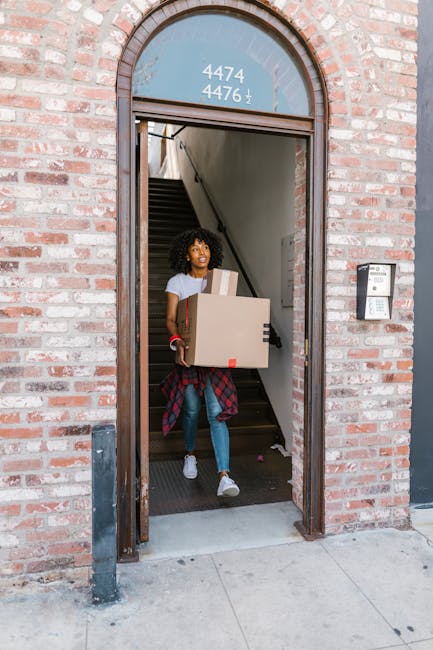
Why KT1 flat removals tips for narrow staircases and parking Matters
KT1 has plenty of attractive flats, conversions, maisonettes, and older buildings with character. The catch is that character often comes with slimmer stairwells, tighter hallways, split-level layouts, and limited roadside space. If you are moving from one of these homes, the challenge is not just getting furniture out. It is getting it out without damaging banisters, bumping walls, blocking neighbours, or over-running a parking window.
Narrow staircases can turn a simple move into a slow, careful operation. A wardrobe may need to be angled and rotated. A mattress might fit downstairs but not around the top bend. Even a few extra minutes of delay can matter if the van is parked far away or the street is busy. In places like Kingston, where local traffic, permit zones, and residential parking can complicate things, planning ahead is a real advantage.
This matters for safety too. Heavy lifting on stairs is one of the easiest ways to strain a back, pinch fingers, or scuff property. A move that seems straightforward on paper can become hectic fast if access has not been checked. And once the team is forced to improvise, that is when stress levels climb. Nobody wants that. Not on moving day.
For local context and a sense of the area you are moving within, this Kingston local perspective gives a nice feel for the rhythm of the area, while removals in Kingston upon Thames covers the wider moving picture.
How KT1 flat removals tips for narrow staircases and parking Works
The process is really about reducing friction before the first box leaves the flat. Think of it as a chain of small decisions that make the move smoother: measuring the furniture, checking the staircase, planning how the van will stop, deciding what gets dismantled, and setting out a route from door to vehicle. If one link is weak, the rest of the chain feels it.
In practical terms, the move usually works best in three stages:
- Access planning: confirm the staircase width, landing space, ceiling height, and any awkward bends or low lights.
- Parking planning: check whether the van can stop close enough, whether a permit is needed, and whether any restrictions apply at your moving time.
- Load planning: decide what needs to be dismantled, wrapped, carried by two people, or moved separately.
That does not mean every move must be over-planned to the point of absurdity. But a bit of structure helps. To be fair, most moving-day problems come from one of two things: not enough space or not enough time. The trick is to create both.
Good removals teams will usually assess whether items can be taken down stairs safely or whether a different method is needed. They may suggest using specialist moving straps, protective covers, or a smaller vehicle for access-limited roads. If you are comparing options, the page on man with van services in Kingston is worth a look, especially where flexibility and access are more important than a large lorry.
Key Benefits and Practical Advantages
The biggest benefit of good planning is simple: fewer surprises. But there are several other advantages that people often only notice after the move is over.
- Less damage: careful measurements and protective materials reduce knocks to walls, banisters, door frames, and furniture edges.
- Faster loading: a planned route from flat to van saves repeated trips and hesitation at the staircase.
- Lower physical strain: fewer awkward lifts and less back-and-forth carrying make the day safer for everyone involved.
- Better parking efficiency: a close, legal, well-timed stop means less time spent hauling items down the street.
- Less neighbour friction: quieter, tidier moves are simply easier on people in shared buildings.
- More predictable costs: when access is known in advance, quotes and timings tend to be more realistic.
There is also a psychological benefit, and it is not small. When access is sorted, people relax. Boxes get labelled better. People stop asking, "Will the sofa fit?" every five minutes. The whole day feels less like a scramble and more like a managed project. That helps more than you might think.
If you want support with the packing side of things, the packing and boxes service can help you prepare items properly before moving day, which is especially useful when stair access is tight.
Who This Is For and When It Makes Sense
This approach is especially useful if you are moving from a first-floor or upper-floor flat, a converted house, a small apartment block, or a property with old staircases and limited communal space. It also makes sense if you have bulky furniture, limited parking near the entrance, or only a short loading window.
You will benefit most if any of these sound familiar:
- the staircase turns sharply at a landing
- the building entrance is narrow or shared
- parking is restricted or time-limited
- you are moving on a busy road
- you own awkward furniture such as wardrobes, beds, sofas, or white goods
- you need the move completed quickly because of tenancy handover times
- you have neighbours or building management to consider
Students and renters often face the tightest timelines. If that is your situation, student removals in Kingston upon Thames can be a good fit because the move tends to be lighter, quicker, and more flexible. On the other hand, if you have a whole flat full of furniture and household items, a more comprehensive house removals service may be more appropriate even if you are leaving a flat rather than a house.
Step-by-Step Guidance
Below is a practical process that works well for most KT1 flat moves. It is not fancy. It just does the job.
1. Measure the access before you do anything else
Measure staircase width at the narrowest point, check ceiling height on landings, and note any tricky corners. Measure the largest furniture pieces too, not just the obvious ones. Wardrobes, sofa arms, and bed frames are the usual troublemakers. A tape measure and ten minutes can save a lot of regret.
2. Walk the route from the flat to the van
Do not just look at the stairwell. Walk the full route, including corridors, front steps, communal doors, pavement edges, and the distance to where the van could realistically stop. Sometimes the staircase is fine but the front entrance is where the problem starts.
3. Decide what needs dismantling
Flat-pack furniture, bed frames, some wardrobes, and tables often move better when partly dismantled. If an item can be broken into safer sections, that may be the smarter option. Do not assume "stronger lifting" is better than "smaller pieces." Usually it is not.
4. Sort parking early
Check whether your road has resident permit restrictions, paid bays, yellow lines, single-lane access, or time-based loading rules. If you are moving in a Kingston street where parking can be tight, speak to the local authority or building management well in advance where needed. A legal close-by space beats a risky one every time.
5. Pack by weight and access, not just by room
Label boxes according to how easy they are to carry, not only where they came from. Heavy books, crockery, and files should be in smaller boxes. Light but bulky items can go in larger boxes. This keeps stair carrying much safer.
6. Protect the property
Use door protectors, floor coverings, blanket wraps, and corner protection where needed. Even a careful move can leave marks if the route is tight. Shared hallways can be especially vulnerable. One knock on a painted wall can travel a long way emotionally, if you know what I mean.
7. Load the van in the right order
Heavier, sturdier items usually go in first. Softer or more fragile items should be secured so they do not shift. If the van is parked close, the whole move becomes easier. If it is not, you may want a smaller vehicle or a second person to keep traffic moving.
8. Keep a clear decision on the day
If something looks too large for the stairwell, do not force it. Pause, rotate, dismantle, or change method. A 60-second rethink is far cheaper than a damaged banister or a strained shoulder.
Expert Tips for Better Results
These are the small, practical details that often separate a decent move from a smooth one.
- Book the lift-out time around traffic: early morning is often calmer than late morning on busy Kingston roads.
- Use mattress bags and sofa covers: narrow staircases tend to collect dust, paint scuffs, and a bit of accidental scraping.
- Pre-clear the landing: even one extra box on a small landing can block the turning angle you need.
- Assign one person to doors: holding doors open and clearing the route sounds small, but it makes a real difference.
- Have tools ready: screwdrivers, Allen keys, and tape should not be buried in the last box you packed.
- Take photos of parking signs: this is useful if you need to check times, bays, or restrictions later.
- Leave a little breathing room: if you think a sofa will fit exactly, assume it will not. Just for sanity.
A small human observation: the moves that feel easiest are often the ones where the customer has done the least dramatic thing of all - they have cleared the route before the crew arrives. No drama, no clutter, no mystery bags in the hallway. Lovely.
If you are comparing moving support styles, man and van in Kingston upon Thames can be practical for smaller flat moves, while man and a van services often suit compact loads and awkward access. For some readers, a larger removal van is the better choice if volume matters more than street tightness.

Common Mistakes to Avoid
Most access problems are avoidable. The tricky bit is spotting them before moving day, not during it.
- Assuming the sofa will fit because it got in once: moving out can be harder than moving in, especially if furniture was assembled inside the flat.
- Ignoring the parking issue until the morning of the move: by then, your options may be limited.
- Overpacking boxes: heavy boxes are miserable on stairs and dangerous on turns.
- Forgetting building rules: some blocks expect advance notice for moves, lift protection, or specific booking times.
- Not protecting edges and corners: narrow staircases have a way of finding the exact spot you forgot to cover.
- Leaving dismantling tools unpacked: this sounds basic, but it happens all the time.
- Trying to rush the difficult items: haste on stairs is how accidents happen. Not ideal at all.
One of the most overlooked mistakes is poor communication. If you are using movers, tell them about the stair width, where the parking is likely to be, and whether there are any shared entrances or time restrictions. If access is honestly awkward, say so early. It helps everyone plan properly.
Tools, Resources and Recommendations
You do not need a van full of specialist kit to move a flat with tight access, but a few tools make a big difference.
| Item | Why it helps | Best use |
|---|---|---|
| Measuring tape | Checks furniture and stair clearance | Before quoting, packing, and dismantling |
| Furniture blankets | Protects items and walls from scuffs | Large items on stair turns |
| Mattress covers | Keeps soft furnishings clean | Long carries and shared hallways |
| Moving straps | Improves control on heavy items | Two-person lifts and awkward angles |
| Furniture sliders or glides | Helps reposition items safely | Inside the flat before lifting begins |
| Tool kit | Allows quick dismantling | Beds, tables, shelving, wardrobes |
| Parking permit or booking info | Helps avoid delays and penalties | Roadside loading near the property |
On the planning side, the most useful resources are often the simplest ones: your building management contact, local parking guidance, and a removals company that asks the right questions before quoting. If you are weighing up suppliers, the removal companies in Kingston upon Thames page is a good starting point, and the company's pricing and quotes information can help you understand how access affects cost.
For larger furniture concerns, the dedicated furniture removals service is worth considering, especially when the staircase is the main bottleneck. If storage becomes necessary because access or timing is awkward, storage in Kingston upon Thames can also take the pressure off for a few days or weeks.
Law, Compliance, Standards, or Best Practice
Moving flat in a tight area is not usually about legal complexity, but there are still practical rules and duties worth respecting. Parking restrictions, permit zones, shared building rules, and public pavement access all matter. If a van blocks a resident bay, bus lane, or marked restriction, it can create delays or penalties. The safest approach is always to check the rules for your specific street and time slot.
Best practice also applies to health and safety. Heavy items should be lifted with care, with enough people for the weight and shape of the object. On stairs, that means moving slowly, keeping a clear line of sight, and avoiding twisted lifts. Good removals firms usually work within their own health and safety policy and should be able to explain how they reduce risks on awkward moves.
Insurance matters too. If you are moving valuable items or large furniture through a narrow staircase, check what cover exists and what exclusions may apply. The insurance and safety page is useful reading before moving day. And if you are checking how the company handles service terms, their terms and conditions and complaints procedure are sensible trust-building pages to review.
There is also a wider responsibility angle. If sustainability matters to you, look at the company's recycling and sustainability information. And for general trust and operational background, the about us page can help you understand who you are dealing with. A moving day can feel very personal, after all.
Options, Methods, or Comparison Table
Not every KT1 flat move needs the same setup. The right choice depends on access, volume, and how much support you want on the day.
| Method | Best for | Pros | Possible downside |
|---|---|---|---|
| Small man and van | Light flat moves, flexible parking, compact loads | Easy to manoeuvre, often cost-effective, ideal for tight streets | May require more trips if volume is high |
| Dedicated removal van | Medium to larger flat moves | More room, better for furniture-heavy moves | Harder to park on very tight roads |
| Full removals service | Furniture, multiple rooms, awkward access, time pressure | More hands, better planning, less stress | Can cost more than a lighter service |
| Partial self-move with support | Budget-conscious moves with a few bulky items | Flexible and inexpensive in some cases | More work on your side, more risk if access is difficult |
If your street is narrow, a smaller vehicle often wins. If your items are heavy but the parking is workable, a larger van may be fine. And if the staircase is the real problem, extra hands matter more than anything else. A lot of people assume van size is the main decision. Sometimes it is. Sometimes it really is not.
Case Study or Real-World Example
Picture a typical Kingston flat move on a weekday morning. Two people are leaving a second-floor flat in KT1 with a tight staircase that turns sharply at the landing. The sofa is long, the bed frame is awkward, and the building sits on a road where parking is limited. Nothing unusual, but enough to cause headaches if handled casually.
Instead of waiting until moving day, the flat was measured the day before. The sofa arms were detached. The bed frame was dismantled into manageable parts. A loading space was identified early, and the van arrived in time to use it. The hallway was cleared, the stair edges were protected with blankets, and one person stayed by the door to help guide each item through the turn.
The move still took effort. Of course it did. But it did not become chaotic. There were no sudden decisions, no "it might just squeeze through" moments, and no panicked reshuffling at the bottom of the stairs. The difference was not luck. It was preparation.
That is the part people often underestimate. The move itself is usually ordinary. The planning makes it feel unusually calm. And calm is underrated.
Practical Checklist
Use this checklist a day or two before your move. It is a small thing, but it helps.
- Measure the narrowest parts of the staircase and landing
- Measure your largest furniture items
- Confirm whether any items need dismantling
- Check parking restrictions and loading options
- Arrange any permits or building permissions needed
- Notify neighbours or building management if appropriate
- Pack heavy items into smaller boxes
- Label fragile and awkward items clearly
- Prepare blankets, covers, tape, and tools
- Protect floors, walls, and corners where possible
- Plan the loading order for the van
- Keep keys, documents, and essentials separate
- Have water and a quick snack to hand - sounds minor, but it helps
Key takeaway: if your staircase is narrow and parking is tight, the move becomes much easier when you treat access as part of the job, not a side issue. Measure early, plan parking early, and dismantle anything that could turn into a problem later.
Conclusion
KT1 flat removals can be smooth, even when the staircase is narrow and parking feels like a puzzle, but only if you plan for the real conditions on the ground. The best moves are rarely the most dramatic ones. They are the ones where the route has been checked, the vehicle is the right size, the furniture is prepared, and everyone knows what the tricky items are before they start.
If you are moving within Kingston, keep things simple: measure access, sort parking, protect the building, and choose the right level of support for your load. That is usually enough to turn a stressful day into a manageable one. And honestly, that is all most people want - a move that just works, without the drama.
Get a free quote today and see how much you can save.
For more help with planning a local move, you may also want to explore removal services in Kingston upon Thames, especially if you are comparing different support levels for a tight-access flat move.