Kingston council permit rules for removals parking
Posted on 10/06/2026
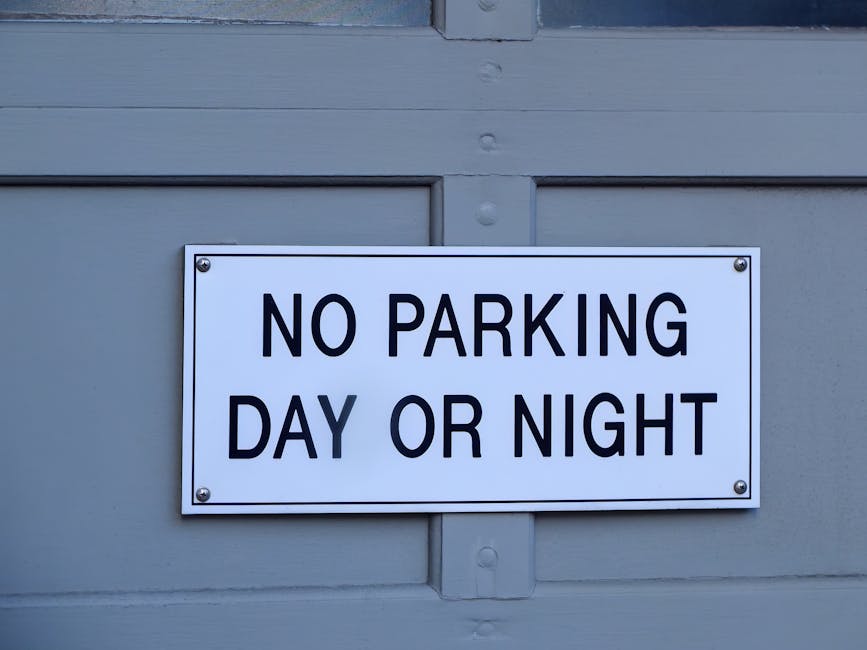
Kingston council permit rules for removals parking: a practical guide for a smoother move
If you are planning a move in Kingston, the parking plan matters almost as much as the packing. Kingston council permit rules for removals parking can be the difference between a calm moving day and a very awkward morning with a van circling the street, neighbours waiting, and boxes getting heavier by the minute. In a place like Kingston, where roads can be tight, bays can be limited, and timing is everything, knowing what is allowed, what needs permission, and what needs a bit of forward planning really pays off.
This guide breaks the topic down in plain English. You will learn how removals parking permits usually work, why they matter, which situations tend to need extra care, and how to avoid the common mistakes that cause stress on moving day. We will also look at practical ways to plan around flats, narrow streets, loading bays, and busy local roads. Truth be told, parking is one of those boring details that suddenly becomes the main event.
Why Kingston council permit rules for removals parking Matters
On a moving day, parking is not just about convenience. It affects time, safety, cost, access, and even whether the move stays on schedule. A removals van that cannot park close to the property means longer carrying distances, more lifting, more risk of damage, and extra labour. That can be especially frustrating if you are moving from a first-floor flat, a terraced street, or anywhere with limited stopping space.
Kingston has a mix of residential roads, busier corridors, and tighter central streets. Some properties have no driveway or private forecourt at all, so the van has to rely on public road space. If that space is controlled, restricted, or shared with residents, a permit or temporary parking arrangement may be needed. And if the van parks illegally or blocks traffic, even for a short window, the move can quickly become expensive and messy.
There is also the human side of it. A moving crew trying to work around a distant parking spot is less efficient. A landlord may be waiting to hand over keys. The next family might be arriving. A delivery lorry might already be edging in. One small parking issue can ripple through the whole day.
For that reason, it is worth planning the parking before you book the van, not after. If you are comparing moving support, it can help to look at broader local services too, such as removals in Kingston upon Thames and removal services in Kingston upon Thames, so you can match the parking plan to the size and style of your move.
How Kingston council permit rules for removals parking Works
The exact process can vary depending on the road, the type of bay outside the property, and whether the van needs to suspend a bay, use controlled parking space, or stop in a loading area. In broad terms, you are usually trying to solve one of three problems: securing space, avoiding penalties, or making sure the removals vehicle can legally load and unload close enough to the property.
In practice, removals parking arrangements often fall into one of these categories:
- Resident bay or controlled bay use: if the street has permit-based parking, the removals vehicle may need specific permission or may be able to use a bay under certain conditions.
- Loading and unloading only: some roads allow short stopping for loading, but you still need to be careful about time limits and local restrictions.
- Suspension or temporary restriction: on narrower roads or where space is limited, parking bay suspension or a temporary restriction may be needed so the vehicle has a clear place to stand.
- Private land or forecourt access: if your building has a private driveway, service area, or forecourt, you may be able to avoid council-controlled parking altogether, although access rules still matter.
A useful way to think about it is this: if the van is going to sit on a public road in a way that could inconvenience other users, then some form of parking control or permission is often relevant. That does not always mean a complex permit application. Sometimes it is just a matter of choosing the right window and making sure the driver knows the local restrictions.
If your move involves a flat, especially upper-floor access or a tricky stairwell, parking and carrying distance matter even more. The practical side of this is discussed in more detail in KT1 flat removals tips for narrow staircases and parking, which is useful reading if you are dealing with a compact street or awkward access.
You may also find it helpful to plan the move alongside your packing and loading approach. A well-packed van and sensible access route often save more time than people expect. For that side of things, packing and boxes Kingston upon Thames can help you think about load order and preparation in a more organised way.
Key Benefits and Practical Advantages
Getting the parking side right is not glamorous, but it has real upside. A smooth parking arrangement tends to reduce pressure on everyone involved. The crew can get in, load safely, and leave without wasting time. You get fewer surprises. Neighbours are less likely to complain. And the entire day feels more controlled, which matters when everything else is happening at once.
Here are the most practical benefits:
- Less carrying distance: shorter carries mean lower risk of dropping, scratching, or damaging furniture.
- Better time control: if the van can stop close by, the schedule is easier to keep.
- Reduced stress: less waiting around for a space, less arguing with other road users, fewer last-minute scrambles.
- Safer handling: heavy items are safer when they are not being moved up and down a long path.
- Cleaner handover: if you are leaving a rental or selling a property, a tidy, timely departure is just nicer all round.
There is a commercial benefit too. If you are paying removal crew by the hour or booking a vehicle and team for a fixed window, poor parking can quietly inflate the cost. Even when there is no direct council charge, the hidden cost of time loss is very real. If you want a fuller picture of budget pressure in local moves, avoid hidden fees in Kingston removals is a sensible companion read.
Expert summary: In removals, parking is a logistics decision, not a side note. A legal, well-placed van usually saves time, protects furniture, and lowers the odds of a frustrating moving-day delay.
Who This Is For and When It Makes Sense
Not every move in Kingston needs the same level of parking planning. A small car-to-car shift across town is one thing. A full-house move with wardrobes, white goods, and boxes stacked to the ceiling is another. The people who benefit most from understanding Kingston council permit rules for removals parking are usually those with limited street space, shared parking, or time-sensitive handovers.
This is especially relevant if you are:
- moving from a flat with no private parking;
- using a removals van on a busy residential road;
- working to a strict completion time or tenancy checkout;
- moving bulky furniture or fragile items;
- arranging a same-day move where flexibility is limited;
- managing a student move with awkward access and short turnaround;
- coordinating an office relocation where vehicles may need a clear loading window.
It also makes sense for people who assume "there will probably be space outside." Sometimes there is. Often there is not. Or the available space is just far enough away to make the move slower than expected. You know how it is: one parked car can change everything.
If your move is smaller and you are comfortable with a flexible stop, a man with van Kingston upon Thames or man and van Kingston upon Thames setup may be enough. For larger moves, it can make sense to look at a broader service like house removals Kingston upon Thames or office removals Kingston upon Thames, where parking and access planning are usually more central to the job.
Step-by-Step Guidance
If you want a moving day that feels orderly, follow a method rather than guessing on the morning. Here is a practical approach that works well in most Kingston moves.
- Check the street and property access early. Look at the road outside the property, nearby bays, yellow lines, and any signs that affect stopping or loading.
- Identify the vehicle size. A small van, medium van, and larger removal lorry all need different space. Do not assume a vehicle can fit where a car would.
- Decide whether council-managed parking is likely to be involved. If the van may need to sit in a permit-controlled bay, loading bay, or restricted street, plan accordingly.
- Allow for loading time, not just parking. It is not enough to say "the van will be there for ten minutes." Loading and unloading often take longer than expected, especially with stairs.
- Build in a buffer. Traffic, neighbour cars, lifts, key handovers, and weather can all slow things down. A little slack helps a lot.
- Confirm the plan with the removal team. Tell them about road width, access, and any known parking issue. A driver who knows the area can often suggest a better setup.
- Keep contact details handy on the day. If the van needs to reposition, or if another vehicle is in the way, quick communication prevents a lot of hassle.
One small but important note: if you are moving from a flat, think about more than the bay itself. The path from the van to the front door matters too. A short park with a long carry can sometimes be worse than a slightly further park with easier manoeuvring. Small detail, big difference.
For people with time pressure, same-day moves, or complicated access, it may help to read same-day removals Kingston availability and real cost guide. The timing element often overlaps with parking more than people expect.
Expert Tips for Better Results
After enough moves, a few patterns become obvious. The smoothest jobs are rarely the ones with the fanciest van. They are the ones with clear planning and realistic expectations. Here are a few tips that tend to matter most.
- Choose the van size carefully. A too-large van can create parking headaches, while a too-small van can create multiple trips. Neither is ideal.
- Think like a driver. Can the vehicle turn, stop, and leave without reversing half the street? If not, the parking plan needs work.
- Aim for early movement windows. Mornings are often easier than later in the day, especially in residential areas where spaces fill up.
- Keep the loading zone clear. If there are bins, garden waste, or loose items outside, move them before the van arrives.
- Tell neighbours when appropriate. A quick heads-up can reduce tension, especially if the road is narrow and the move will briefly affect access.
- Photograph the space if needed. If you are dealing with a permit, suspension, or agreed bay use, having a record of the area can be useful. Nothing dramatic, just sensible.
To be fair, most parking problems are not complicated. They are just left too late.
And one more thing: if you are moving anything awkward, fragile, or unusually heavy, give parking a little extra thought. A piano, for example, can turn a simple loading issue into a proper choreography problem. In those cases, piano removals Kingston upon Thames is the kind of specialist support that benefits from careful access planning, not guesswork.
![Aerial view of a cityscape during daytime showing a large construction site with two tall orange cranes actively positioned over a multi-story building under construction. The building's concrete framework and partially completed floors are visible, covered with temporary safety barriers and construction materials such as wooden planks and metal supports. Surrounding the site, a mix of completed office buildings, residential structures, and streets with parked cars are seen, extending towards a river in the background. The scene is illuminated by natural daylight, with a hazy sky overhead, illustrating an ongoing home relocation or building development process supported by construction equipment and urban infrastructure. This image is relevant to house removals, moving logistics, and construction activities in Kingston upon Thames, with [COMPANY_NAME] involved in logistics or building site services related to packing and moving.](/pub/blogphoto/kingston-council-permit-rules-for-removals-parking2.jpg)
Common Mistakes to Avoid
Some moving-day headaches repeat themselves again and again. They are almost always avoidable. The biggest mistake is assuming parking will sort itself out when the van arrives. That almost never works as well as people hope.
- Leaving permit checks until the last minute. If a space needs permission, it is better to know before moving day.
- Ignoring loading restrictions. A bay might look convenient, but time limits and signage still matter.
- Booking the wrong vehicle size. Too small means more trips. Too big means fewer places to park.
- Forgetting about access width. A van may fit in theory and fail in reality because of parked cars or tight turning.
- Not warning the removals team about the street. Local drivers can adapt, but only if they know what they are dealing with.
- Assuming a stop is okay because "it will only be a few minutes." Enforcement does not usually care that you were in a hurry.
Another easy mistake is focusing only on the destination and forgetting the starting point. If both ends of the move are in controlled parking areas, you can end up with two separate access puzzles. That is not fun. It is manageable, but not fun.
If the job is linked to a property sale or new tenancy, the pressure can build quickly. In that case, it is worth reading about selling real estate Kingston as well, because handover timing and removals timing often collide in the real world.
Tools, Resources and Recommendations
You do not need a stack of complicated tools to handle removals parking well. What you need is a tidy process, a bit of local awareness, and the right conversation with your mover. That said, a few simple resources and habits can make life easier.
- Street-level observation: visit the property at roughly the time of day you plan to move. Parking conditions can change dramatically between a quiet Monday morning and a busy Friday afternoon.
- Photo notes: take a few pictures of the road, front door, bay markings, and any signs. They are useful later if someone needs a reminder of the layout.
- Inventory and access notes: pair your packing plan with your access plan so the team knows which items come out first.
- Property management contact: if you live in a block or managed building, speak to the managing agent or concierge early.
- Removal company guidance: ask the mover how they normally handle Kingston streets, tight loading, or permit-related parking. Local experience is worth something.
It is also smart to review general move support before you commit. A page like services overview can help you see how parking, packing, and transport fit into the broader move. If budget clarity matters, pricing and quotes is useful for understanding how logistics influence cost.
And if you are comparing a smaller, flexible vehicle with a larger removal van, it is worth looking at removal van Kingston upon Thames and man and a van Kingston upon Thames. Different setups create different parking needs, simple as that.
Law, Compliance, Standards, or Best Practice
Parking for removals sits within ordinary road-use rules and local parking controls. You do not need to become a transport lawyer to move house, thankfully, but you do need to respect the usual rules around stopping, loading, and parking in restricted areas. In practice, that means paying attention to signs, time restrictions, bay markings, and any temporary arrangements that may apply to the road.
Where a council permit, suspension, or other permission is involved, best practice is to arrange it in advance rather than treating it as a last-minute fix. A mover or driver may have experience with local rules, but responsibility is still shared. If the vehicle is parked badly, the consequences can affect both the move and nearby traffic.
A few principles are worth remembering:
- Do not block access. Keep emergency access, driveways, and essential entrances clear.
- Follow posted restrictions. Time windows and bay conditions matter, even during a rushed move.
- Use loading spaces properly. They are for active loading and unloading, not all-day storage.
- Check building rules too. Private estates and managed developments may have separate access requirements.
- Work safely. Keep walkways clear, avoid lifting from unsafe angles, and make sure the crew can move without clipping cars or walls.
If you are planning a bigger job, you may also want to make sure the company's safety approach is clear. Our health and safety policy and insurance and safety pages are worth a look because parking, access, and lifting safety all sit close together in real-world removals.
Options, Methods, or Comparison Table
Different parking approaches suit different moves. There is no single best answer, only the best fit for your street, vehicle, and timetable. Here is a simple comparison to help.
| Method | Best for | Pros | Watch-outs |
|---|---|---|---|
| Standard roadside loading | Quiet streets with short stops and light loads | Simple, quick, often no special arrangement needed | Can fail badly if the road is busy or tightly controlled |
| Permit-based parking | Resident streets with controlled bays | More predictable if arranged properly | Needs checking in advance and may be time-limited |
| Temporary bay suspension or restriction | Narrow roads or high-volume moves | Creates clear space for the vehicle | Usually needs more planning and may involve administrative steps |
| Private driveway or forecourt use | Homes or buildings with off-street access | Easiest option if available | Still needs good timing and safe manoeuvring |
| Farthest legal parking spot plus carry | When no closer legal space exists | Legally workable in many cases | Slower, more tiring, more likely to increase labour |
In many Kingston moves, the "best" method is a combination. For example, a van may load from a permitted bay at one end and use a short-term loading arrangement at the other. The goal is not perfection. It is smooth, legal, and realistic movement of goods.
Case Study or Real-World Example
Picture a family moving from a two-bedroom flat in a busy Kingston street on a Friday morning. The property has no driveway, the road is lined with resident bays, and the lift is small enough to make everyone a little bit tired before the day even starts. At first glance, the plan seems simple: park outside, load, leave. Nice idea.
Then the practical reality appears. A neighbour's car is in the best space. The next bay is too far for heavy furniture to be carried comfortably. The removals team needs access for a sofa, a bed frame, and several awkward boxes. Without a parking plan, the move would probably have started with a delay and a bit of muttering.
Instead, the family checked the street in advance, confirmed the likely parking arrangement, and made sure the driver knew the access limitations. Boxes were stacked in loading order. Fragile items were separated early. The van arrived with a clear understanding of where it could stop and how long the team had to load.
The result was not glamorous, but it was efficient. The van parked once, the load went on steadily, and the move finished without anyone having to dash across the road every few minutes. That calm ending was not an accident. It came from planning the parking before the stress arrived.
That is the pattern most successful moves follow. Small decisions early. Fewer problems later.
Practical Checklist
Use this checklist a few days before the move. It is simple, but it catches the common problems.
- Check whether the street is permit-controlled, bay-controlled, or loading-restricted.
- Confirm the size of the removals vehicle.
- Look for yellow lines, bay markings, and local signs outside the property.
- Identify whether a permit, suspension, or timed loading arrangement may be needed.
- Ask the removal team how much space they need to work safely.
- Tell the team about narrow entrances, steep paths, or awkward corners.
- Prepare boxes so the first items out are the easiest to reach.
- Move bins, bikes, and personal items away from the loading point.
- Warn neighbours if the move may affect access for a short while.
- Keep the day's key contact numbers close to hand.
- Allow extra time for delays, especially if you are moving in the morning rush.
- Double-check the plan if the weather turns wet or windy.
When you have done all that, you are already ahead of the game. Really.
If you need flexible support for a smaller move, the pages on man with a van Kingston upon Thames, man and van Kingston upon Thames, and same day removals Kingston upon Thames can help you think through the right kind of support for a parking-sensitive move.
Conclusion
Kingston council permit rules for removals parking are really about making the move work in the real world. If the van can stop legally, close enough to the property, and for long enough to load properly, everything becomes easier. If not, the whole day can feel like it is fighting the street.
The best approach is straightforward: check the access early, match the vehicle to the road, and plan the parking before the boxes start moving. That one habit saves stress, avoids awkward delays, and helps protect your furniture and your time. Not every move needs a formal permit arrangement, but every move does need a parking plan.
Get a free quote today and see how much you can save.
And if you want a move that feels calmer from the start, choose planning over panic. It sounds simple because it is. Most of the time, that is exactly what works.